
DIY Tile vs. Professional Installation in Southern California: A Complete Guide
Homeowners in Southern California face unique challenges when renovating their spaces. The region's diverse climate, from the humid coast to the arid inland valleys, demands flooring that can withstand temperature fluctuations and potential moisture intrusion. According to recent industry data, approximately 30% of DIY flooring projects result in costly errors due to improper subfloor preparation or adhesive failure. This statistic highlights why understanding the technical requirements of tile installation is critical before picking up a trowel. Whether you are considering porcelain, ceramic, or natural stone, the decision to install tile yourself or hire a professional depends on your skill level, budget, and the complexity of the project.
Understanding Tile Materials and Durability
Before deciding on the installation method, it is essential to understand the materials you are working with. Tile is not a monolithic product. It varies significantly in hardness, porosity, and installation requirements. Porcelain tile is known for its density and low water absorption, making it ideal for wet areas. Ceramic tile is generally easier to cut and install but may require more sealing in high-traffic zones. Natural stone, such as travertine or slate, offers unique aesthetic appeal but demands expert handling to prevent cracking and staining.
At Hardwood Flooring Depot, we specialize in a wide range of flooring solutions, including high-quality tile options that complement our extensive hardwood and luxury vinyl collections. Understanding the specific properties of your chosen tile helps determine whether a DIY approach is feasible. For instance, large-format porcelain tiles require a perfectly flat subfloor to prevent lippage, a task that often necessitates professional leveling services.
The Real Challenges of DIY Tile Installation
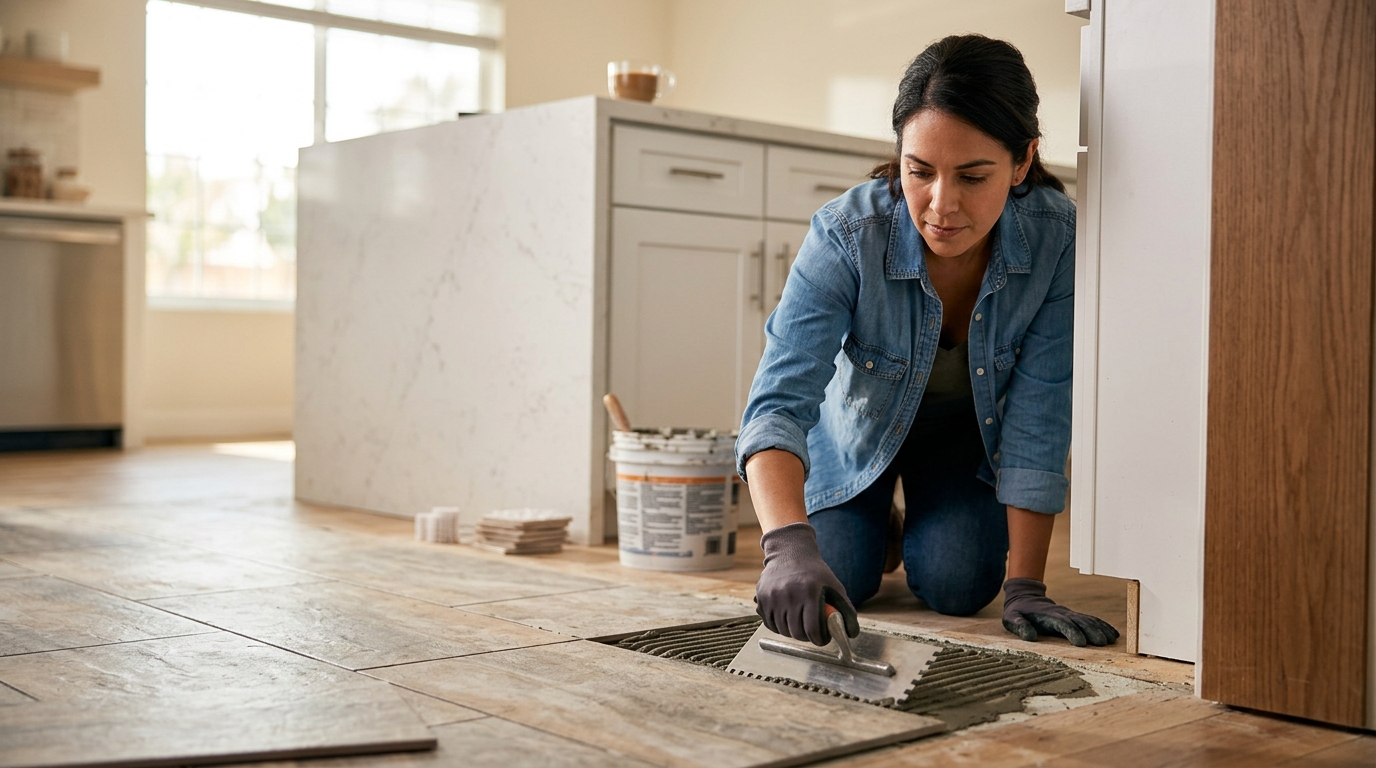
Many homeowners underestimate the physical and technical demands of tile installation. The process involves more than just laying tiles. It requires precise measurement, cutting, and adherence to strict spacing guidelines. One of the most common mistakes in DIY projects is inadequate subfloor preparation. If the subfloor is not clean, dry, and level, the tile will not adhere properly, leading to hollow sounds and eventual cracking.
Another significant hurdle is cutting. Cutting tile, especially porcelain or natural stone, requires specialized tools such as a wet saw. These tools are expensive to buy and difficult to master. Improper cuts can result in wasted material and an uneven final appearance. Furthermore, grouting and sealing require a steady hand and knowledge of the correct chemical reactions to ensure durability. Without proper technique, grout can crack or discolor quickly, ruining the aesthetic of the installation.
For those considering a DIY route, it is crucial to assess your comfort level with power tools and manual labor. If you have never installed flooring before, the learning curve can be steep. Flooring accessories such as spacers, trowels, and leveling systems are essential, but they do not replace the skill required to use them effectively.
When to Hire a Professional Installer
Hiring a professional installer is often the smarter choice for complex projects. Professionals bring years of experience and specialized tools to the job. They can identify potential issues with the subfloor that a DIYer might miss. For example, in older Southern California homes, subfloors may have settled over time, requiring extensive repair before any new flooring can be installed.
Professional installers also ensure that the tile is installed according to manufacturer specifications. This is critical for warranty validity. If a DIY installation fails, the manufacturer may deny the warranty claim because the installation did not meet their guidelines. Professionals understand these requirements and can provide documentation that proves proper installation.
Additionally, professionals can complete the job much faster than a DIYer. A typical bathroom tile installation might take a homeowner several weekends to complete. A professional crew can often finish the same job in a single day. This speed reduces the disruption to your daily life and minimizes the risk of dust and debris accumulating in other parts of your home.
Cost Analysis: DIY vs. Professional Services
Cost is a major factor in the decision-making process. DIY installation appears cheaper on the surface because you only pay for materials and tool rental. However, hidden costs can add up quickly. Mistakes in cutting or adhesive application can lead to wasted tiles, which are expensive to replace. You may also need to purchase or rent specialized tools, such as a wet saw and a tile nipper, which can cost hundreds of dollars.
Professional installation includes labor, materials, and expertise. While the upfront cost is higher, it provides peace of mind and a guaranteed result. Professionals often have access to trade discounts on materials, which can offset some of the labor costs. Furthermore, a professionally installed tile floor can increase your home's value more effectively than a DIY job, as potential buyers look for quality craftsmanship.
| Factor | DIY Installation | Professional Installation |
|---|---|---|
| Upfront Cost | Lower (Materials Only) | Higher (Labor + Materials) |
| Tool Requirements | Must Purchase or Rent | Provided by Installer |
| Time Commitment | Several Days to Weeks | 1-3 Days Typically |
| Warranty Coverage | Often Voided if Improper | Full Manufacturer & Labor Warranty |
| Quality Assurance | Depends on Skill Level | Guaranteed Professional Standard |
Southern California Regional Factors
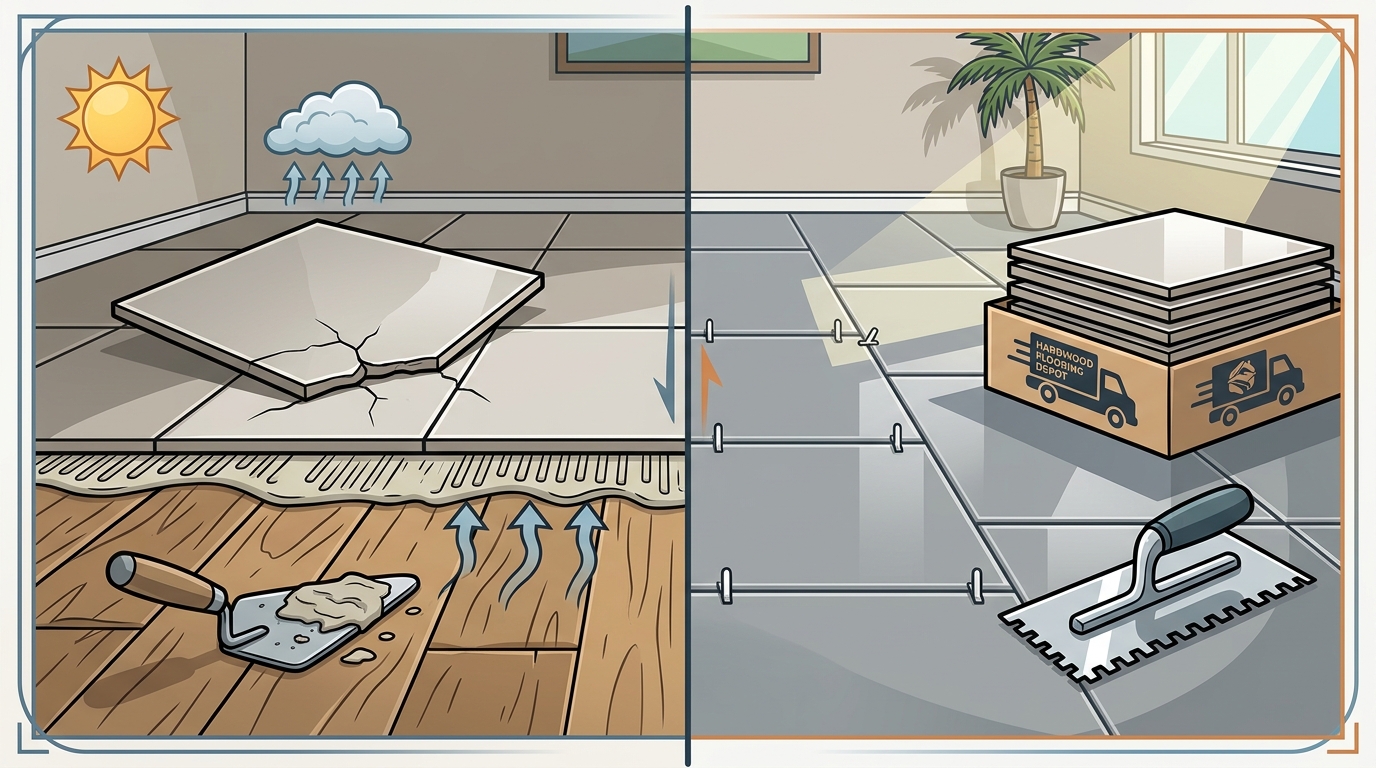
Southern California's unique environment plays a significant role in flooring decisions. The region experiences dry summers and wet winters, which can cause wood and some flooring materials to expand and contract. Tile is generally more stable than wood, but the subfloor must be able to handle these shifts. In coastal areas, humidity levels are higher, requiring moisture barriers and specific adhesive types to prevent mold and mildew growth.
Additionally, seismic activity is a concern in this region. Tile installations must be flexible enough to withstand minor ground movements without cracking. Professional installers in Southern California are trained to use expansion joints and flexible grouts that accommodate these movements. DIYers may overlook these critical details, leading to premature failure of the installation.
For those living in areas prone to earthquakes, it is especially important to consult with experts who understand local building codes and seismic requirements. Hardwood Flooring Depot serves the Irvine and Orange County communities with expert advice on flooring solutions that meet these regional standards.
Key Takeaways
- Material Matters: Porcelain and natural stone require more skill and specialized tools than ceramic tile.
- Subfloor Prep is Critical: A level, clean subfloor is essential for adhesion and longevity, often requiring professional leveling.
- Hidden Costs: Tool rental and material waste can make DIY installation more expensive than anticipated.
- Warranty Protection: Professional installation ensures manufacturer warranties remain valid.
- Regional Expertise: Southern California's climate and seismic activity demand specific installation techniques.
- Time Efficiency: Professionals complete jobs faster, reducing household disruption.
- Quality Assurance: Expert installers provide a flawless finish that enhances home value.
Frequently Asked Questions
Is DIY tile installation suitable for beginners?
DIY tile installation is generally not recommended for complete beginners, especially for large or complex projects. The learning curve for cutting and leveling is steep, and mistakes can be costly.
How much does it cost to hire a professional tile installer in Southern California?
Costs vary based on the size of the area and the type of tile. However, professional installation typically ranges from $5 to $15 per square foot, including materials and labor. This investment ensures quality and durability.
Can I install tile over existing flooring?
In some cases, yes, but it depends on the existing floor's condition and height. Adding tile over another layer can raise floor height, affecting doors and appliances. A professional assessment is recommended.
What is the best tile for Southern California's climate?
Porcelain tile is often the best choice due to its low water absorption and durability. It handles temperature fluctuations and humidity better than many other materials.
Do I need to seal natural stone tile?
Yes, natural stone tiles like travertine and marble are porous and require regular sealing to prevent staining and water damage. Porcelain and ceramic tiles generally do not need sealing.
How long does a professional tile installation take?
A typical bathroom or kitchen tile installation can take 1 to 3 days, depending on the complexity and size. Larger areas may take longer. Proper curing time for adhesive and grout is also required.
What are the risks of DIY tile installation?
Risks include improper adhesion, uneven surfaces, cracked tiles, and voided warranties. These issues can lead to costly repairs and reduced home value.
Schedule Your Consultation
Ready to transform your home with high-quality flooring? Whether you choose to install tile yourself or hire a professional, having the right materials and expert advice is crucial. Hardwood Flooring Depot in Irvine, California, offers a comprehensive selection of flooring options, including hardwood, luxury vinyl, and tile. Our team of experts can help you choose the best materials for your project and connect you with trusted professional installers in Southern California. Visit our showroom today to explore our collection and schedule a consultation.