
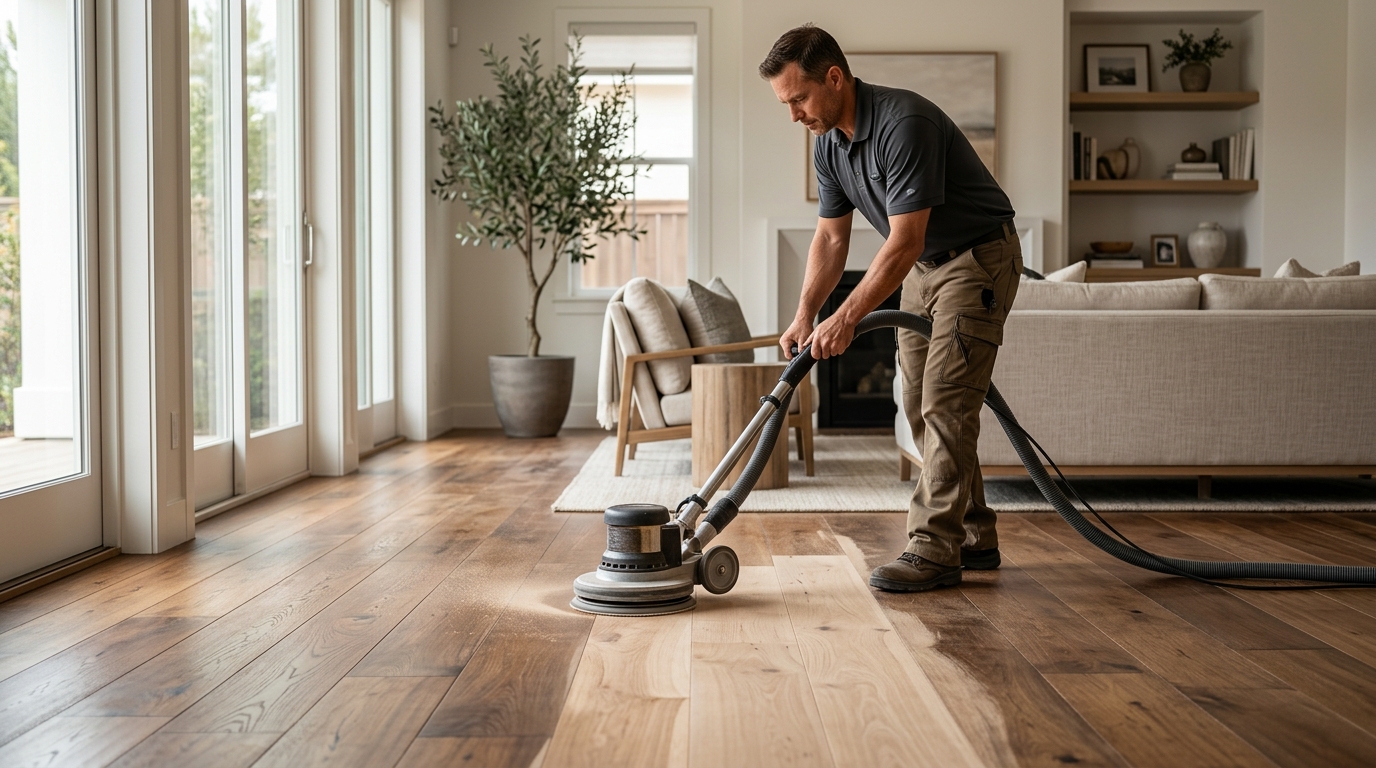
Benefits of Professional Hardwood Floor Sanding and Refinishing
Hardwood flooring is an investment that appreciates in value when maintained correctly. According to the National Association of Realtors, updated flooring can increase a home's resale value by up to 2.5 percent. However, years of foot traffic, sunlight exposure, and humidity changes inevitably take a toll on even the most durable surfaces. Professional sanding and refinishing is not merely a cosmetic update. It is a structural restoration process that extends the lifespan of your floors by decades. This guide details the technical and aesthetic advantages of hiring experts for this critical home maintenance task.
Why Professional Expertise Matters
Many homeowners attempt DIY refinishing with rented drum sanders. This approach often leads to uneven surfaces, gouges, and excessive dust. Professional sanding utilizes industrial-grade equipment with superior dust containment systems. This technology ensures that the workspace remains clean and the finish is applied uniformly.
Expert technicians understand the grain structure of different wood species. For instance, European Ash requires a different sanding grit progression than Chateau Oak. Misjudging these requirements can burn through the wear layer, ruining the floor permanently. At Hardwood Flooring Depot, our team specializes in handling diverse wood types, including Mediterranean Collection planks and wide-plank varieties that demand precision.
Furthermore, professionals know how to navigate complex architectural features. Stairs, corners, and areas around fixed cabinetry require specialized edging tools. A professional job ensures that every inch of the floor is treated consistently, eliminating the "halo effect" often seen in DIY projects.
Aesthetic Revival and Customization
Sanding removes the top layer of oxidized wood, revealing the fresh, vibrant grain beneath. This process restores the natural color and depth that fades over time due to UV exposure. Beyond restoration, refinishing offers a chance to customize the look of your home.
Color Transformation
You are not limited to your original wood tone. Refinishing allows for staining to match current design trends. Whether you prefer the warm tones of Mediterranean Walnut or the cool, modern look of European Oak, stains can transform the ambiance of a room.
Texture and Finish Options
Modern refinishing includes texturing techniques like wire-brushing or hand-scraping. These methods add character and hide future imperfections better than a smooth finish. Additionally, you can choose between matte, satin, or gloss sheens. Matte finishes are currently preferred for their ability to conceal dust and minor scratches, making them ideal for high-traffic family homes.

Enhanced Durability and Protection
A fresh coat of finish acts as a shield against daily wear. The primary benefit of refinishing is the restoration of the floor's protective barrier. Without this layer, wood is susceptible to moisture intrusion, staining, and abrasion.
Polyurethane finishes are the industry standard for durability. They create a hard, plastic-like coating that resists water, wine, and pet accidents. Oil-based polyurethane offers superior ambering and durability, while water-based options dry faster and emit fewer volatile organic compounds (VOCs).
Regular refinishing every 7 to 10 years prevents the need for premature replacement. By maintaining the integrity of the wood, you protect your home's structural value. This is particularly important in regions with high humidity, where wood expansion and contraction can cause gaps if not properly sealed.
Health and Indoor Air Quality
Old finishes often harbor allergens, mold spores, and bacteria in their micro-cracks. Sanding removes these contaminants entirely. When combined with a high-quality, low-VOC finish, refinishing significantly improves indoor air quality.
According to the Environmental Protection Agency, indoor air can be two to five times more polluted than outdoor air. Refinishing eliminates the dust traps found in worn carpets and old, cracked floor finishes. This makes hardwood refinishing a critical step in creating a healthier living environment for families with allergies or respiratory sensitivities.
Cost vs. Replacement Analysis
One of the most compelling benefits of refinishing is the cost efficiency compared to full replacement. Installing new hardwood flooring involves demolition, disposal, and high material costs. Refinishing utilizes your existing subfloor and wood, reducing labor and material expenses by approximately 70 percent.
Consider the following comparison of typical costs for a 1,000 square foot area:
| Service Option | Estimated Cost Range | Lifespan Extension | Environmental Impact |
|---|---|---|---|
| Professional Refinishing | $3,000 - $5,000 | 10-15 Years | Low (Reuse existing wood) |
| Full Replacement (Hardwood) | $8,000 - $15,000 | 20-50 Years | High (Waste generation) |
| Engineered Wood Install | $6,000 - $12,000 | 10-20 Years | Medium |
As shown above, refinishing offers the best return on investment for homeowners looking to refresh their space without the disruption of a major renovation. It also aligns with sustainable building practices by reducing landfill waste.
Refinishing vs. Replacement Comparison
While refinishing is beneficial, it is not always the correct solution. Understanding when to refinish versus when to replace is crucial for long-term home health.
Refinishing is ideal when: The wood is at least 3/8 inch thick. The floor has surface scratches, dullness, or minor water damage. You want to change the color or sheen. The subfloor is structurally sound.
Replacement is necessary when: The wear layer is too thin to sand without exposing the plywood base. There is extensive water damage or rot. The wood species is too soft (like pine) to withstand sanding. The layout or plank width no longer meets your aesthetic goals.
At Hardwood Flooring Depot, we offer comprehensive flooring solutions and can assess whether your current floors are candidates for restoration or if a new installation is the better path.
Key Takeaways
- Value Increase: Updated flooring can boost home resale value by up to 2.5 percent according to real estate industry data.
- Dust Control: Professional sanding uses industrial containment systems, unlike DIY rentals which release significant particulate matter.
- Customization: Refinishing allows for complete color and texture changes, enabling homeowners to update their style without replacing materials.
- Health Improvement: Removing old finishes eliminates trapped allergens and mold, improving indoor air quality significantly.
- Cost Efficiency: Refinishing costs approximately 70 percent less than full hardwood replacement while extending floor life by 10-15 years.
- Material Preservation: Proper sanding preserves the structural integrity of wood species like Mediterranean Oak and European Ash.
- Environmental Impact: Refinishing is a sustainable choice that reduces construction waste compared to demolition and new installation.
Frequently Asked Questions
How long does professional hardwood floor sanding take?
A typical residential project takes 3 to 5 days. This includes sanding, staining (if desired), and drying time for the finish. Water-based finishes dry faster, while oil-based finishes require longer curing periods.
Can I stay in my home during refinishing?
It is generally recommended to leave the home during the sanding process due to noise and potential dust exposure, even with professional containment. The fumes from stains and finishes also require ventilation. Plan to be away for at least 24 to 48 hours after the final coat is applied.
How often should hardwood floors be refinished?
High-traffic areas may need refinishing every 5 to 7 years. Lower-traffic areas can go 10 to 15 years between refinishing sessions. The frequency depends on the type of finish used and the amount of wear the floor endures.
What is the difference between screen-and-coat and full sanding?
Screen-and-coat involves lightly abrading the surface and applying a new top coat. It is less invasive and cheaper but does not remove deep scratches or change the color. Full sanding removes the entire finish layer, allowing for deep restoration and color changes.
Is hardwood refinishing eco-friendly?
Yes. Refinishing reuses the existing wood, preventing it from entering landfills. It also reduces the demand for new timber harvesting. Choosing low-VOC finishes further minimizes the environmental and health impact.
Can all types of wood be refinished?
Solid hardwoods like oak, maple, and walnut can be refinished multiple times. Engineered wood can be refinished, but only if the top veneer is thick enough (typically 3mm or more). Thin veneers may be damaged by sanding.
What finish is best for high-traffic areas?
Oil-based polyurethane is known for its durability and resistance to wear. However, modern water-based polyurethanes have improved significantly and offer excellent durability with faster drying times and lower odor.
Schedule Your Consultation
Do not let worn floors diminish the beauty and value of your home. Professional sanding and refinishing is the most effective way to restore your hardwood to its original glory. Contact Hardwood Flooring Depot today to schedule a professional assessment. Visit our blog for more insights on flooring care, or call us directly to discuss your project needs. We serve the Orange County community with premium materials and expert installation services.