
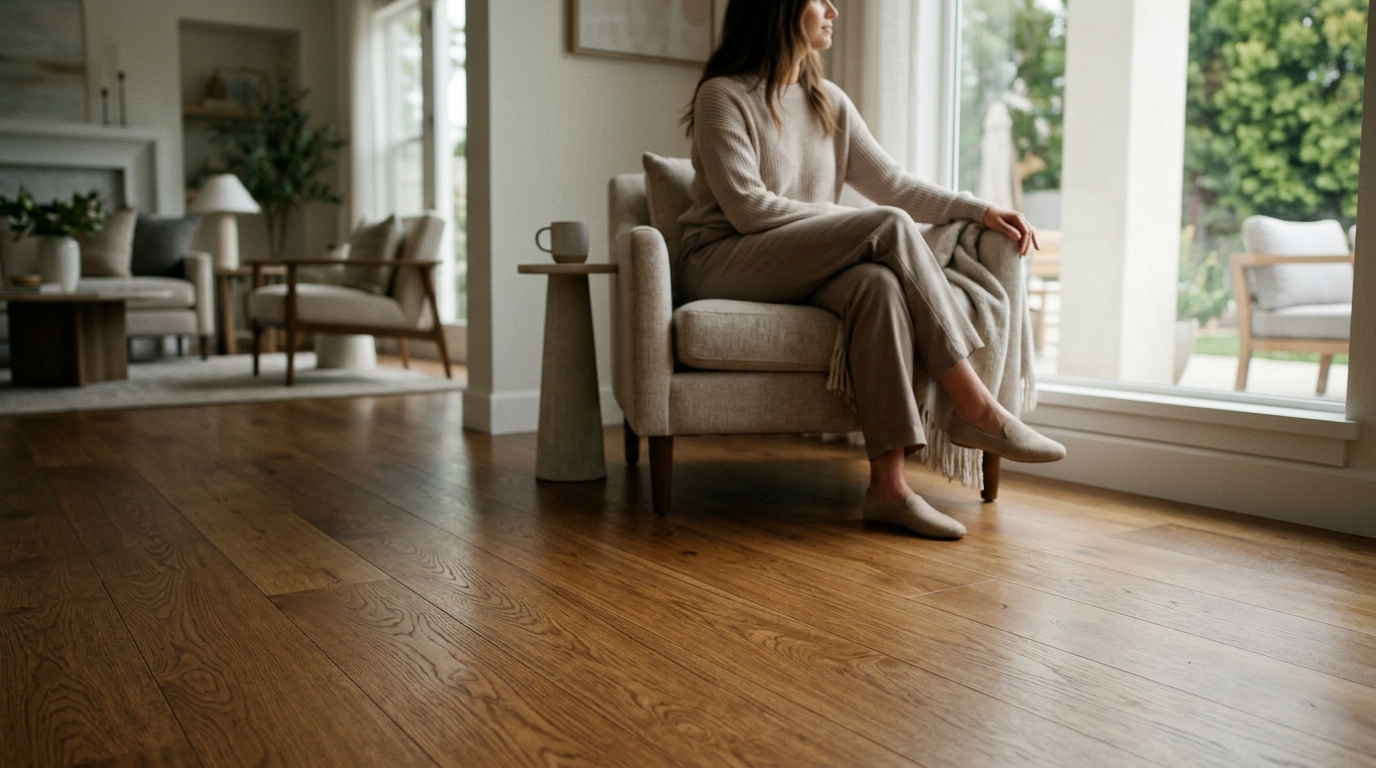
Benefits of Professional Hardwood Floor Sanding and Refinishing
Hardwood flooring is one of the most enduring investments a homeowner can make, yet it requires consistent maintenance to preserve its structural integrity and aesthetic appeal. According to industry data, properly maintained hardwood floors can last for decades, often outlasting the structure of the home itself. However, neglecting surface wear leads to deep scratches, discoloration, and uneven textures that DIY methods rarely correct effectively. Professional sanding and refinishing restore the wood to its original condition, offering a cost-effective alternative to full replacement. This guide details the technical and financial advantages of hiring certified experts for this critical home improvement task. (Cordon BX13929 36 HFD)
Preserving Structural Integrity and Wood Health
Hardwood is a natural material that expands and contracts with humidity changes. Over time, the finish layer degrades, exposing the raw wood to moisture, spills, and foot traffic. Professional sanding removes this compromised layer, allowing for the application of a fresh, protective sealant. This process prevents water infiltration that can cause warping, cupping, or buckling of the planks.
When you visit Hardwood Flooring Depot, you gain access to experts who understand the specific grain density and moisture content of various wood species. Using industrial-grade sanders, technicians ensure an even surface that eliminates dips and ridges. This uniformity is critical for the longevity of the new finish. Without professional equipment, DIY sanders often leave behind swirl marks or uneven patches that weaken the wood's surface structure.
Furthermore, proper sanding prepares the wood for optimal adhesion of polyurethane or oil-based finishes. A strong bond between the wood and the finish creates a barrier against daily wear. This barrier is essential for maintaining the floor's resistance to dents and scratches. Regular refinishing extends the lifespan of the flooring by years, protecting your investment.
Aesthetic Revival and Design Versatility
One of the most immediate benefits of refinishing is the dramatic transformation of your home's interior. Faded, yellowed, or gray-toned wood can be restored to its natural, warm hue. Professionals can also alter the tone of the wood by using different stains. This allows homeowners to update their floors to match current design trends without the expense of new materials.
For those seeking a modern look, exploring luxury vinyl options like the Bateaux Avignon collection can provide a complementary aesthetic if a full wood replacement is considered. However, for existing hardwood, sanding reveals the unique grain patterns that synthetic materials cannot replicate. The depth and character of real wood add significant value to a property.
Refinishing also allows for the correction of color mismatches caused by sun exposure. Rooms with large windows often have floors that fade faster than those in darker areas. A professional refinisher can blend these tones to create a cohesive look throughout the home. This attention to detail ensures that the flooring enhances the overall architectural style of the house.
Improving Indoor Air Quality and Hygiene
Carpeting is often blamed for trapping allergens, but worn hardwood floors can also harbor dust, pet dander, and mold spores in their cracks and scratches. When the finish breaks down, these particles become embedded in the wood surface. Sanding removes this contaminated layer, effectively eliminating a major source of indoor pollutants.
According to environmental health studies, reducing particulate matter in the home significantly improves respiratory health for occupants with allergies or asthma. Refinishing creates a smooth, non-porous surface that is easy to clean and maintain. This hygienic advantage is a critical benefit for families with young children or pets.
Professional refinishing also involves thorough dust containment. Modern techniques use HEPA-filtered vacuums to capture fine dust particles during the sanding process. This prevents contaminants from spreading to other parts of the home. The result is a cleaner, healthier living environment that contributes to overall well-being.
Cost Efficiency vs. Full Replacement
Replacing hardwood floors is a major renovation project that involves demolition, disposal, and the purchase of new materials. The costs can be prohibitive for many homeowners. In contrast, refinishing is a fraction of the price. It utilizes the existing subfloor and wood planks, saving both money and time.
The return on investment for refinishing is substantial. Real estate experts note that well-maintained hardwood floors are a key selling point for potential buyers. A freshly refinished floor can increase the perceived value of a home by thousands of dollars. This financial benefit often outweighs the initial cost of the service.
Additionally, refinishing is a sustainable choice. It reduces the demand for new timber and minimizes construction waste. By extending the life of existing floors, homeowners contribute to environmental conservation. This eco-friendly aspect is increasingly important to modern consumers who prioritize sustainability in their home improvement decisions.
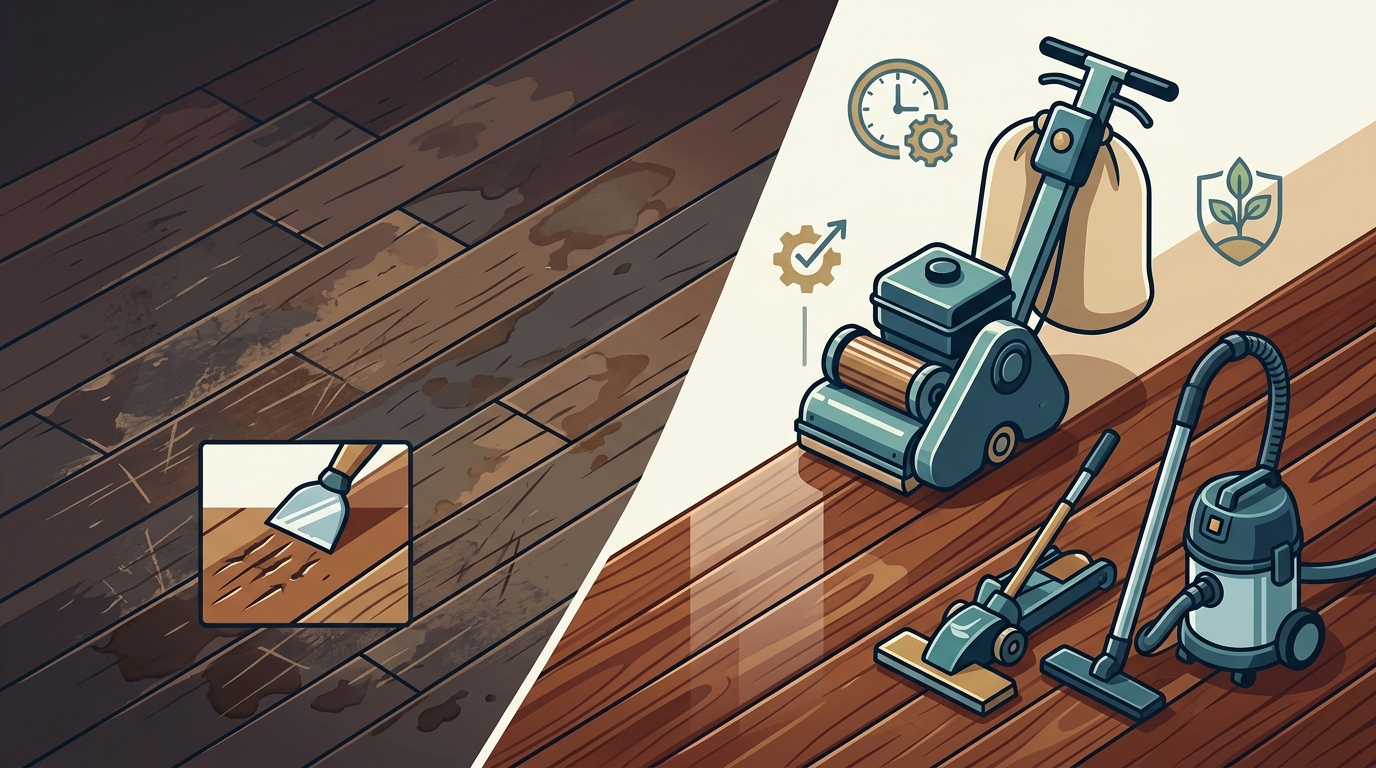
The Professional Refinishing Process
Understanding the steps involved in professional refinishing highlights the complexity of the task. It is not merely a matter of sanding and painting. The process requires precision and specialized knowledge to avoid damaging the floor.
| Step | Description | Benefit |
|---|---|---|
| Assessment | Evaluating wood condition and moisture levels. | Ensures the floor is suitable for refinishing. |
| Sanding | Using drum and edge sanders to remove old finish. | Creates a smooth, uniform surface for new finish. |
| Repair | Filling gaps and replacing damaged planks. | Restores structural integrity and aesthetics. |
| Finishing | Applying stain and multiple coats of polyurethane. | Provides durability and desired color tone. |
Each step requires specific tools and techniques. For instance, accessories like adhesives and moldings are critical for a seamless final result. Professionals ensure that transitions between rooms are smooth and that baseboards are properly aligned. This level of detail is difficult to achieve without experience.
The choice of finish also impacts the final outcome. Water-based polyurethane dries quickly and has low odor, while oil-based options offer a deeper amber tone. Professionals can guide homeowners in selecting the best option for their lifestyle and lighting conditions. This expertise ensures a result that is both beautiful and functional.
Key Takeaways
- Longevity: Professional sanding removes damaged layers, extending the life of hardwood floors by decades.
- Aesthetic Flexibility: Refinishing allows for color changes and the restoration of natural wood grain patterns.
- Health Benefits: Removing embedded allergens improves indoor air quality and reduces respiratory irritants.
- Cost Savings: Refinishing costs significantly less than full replacement while offering a high return on investment.
- Sustainability: Preserving existing wood reduces waste and the demand for new timber resources.
- Expertise Required: Industrial equipment and technical knowledge are necessary to avoid floor damage.
- Property Value: Well-maintained hardwood floors are a major asset in real estate transactions.
Frequently Asked Questions
How often should hardwood floors be refinished?
Hardwood floors typically need refinishing every 10 to 15 years, depending on foot traffic and wear. High-traffic areas may require more frequent maintenance to preserve the finish and protect the wood.
Can I refinish my floors myself?
While DIY refinishing is possible, it requires heavy industrial equipment and significant skill. Professional refinishers ensure an even surface and proper finish application, reducing the risk of costly mistakes.
What is the difference between sanding and screening?
Sanding involves removing the entire top layer of wood to address deep damage. Screening is a lighter process that only refreshes the surface finish, suitable for floors with minor wear but no deep scratches.
How long does the refinishing process take?
The process usually takes three to five days. This includes time for sanding, staining, and drying between coats of finish. Proper drying is essential for the durability of the new surface.
Does refinishing remove scratches?
Yes, sanding removes surface scratches and dents. However, deep gouges that penetrate the wood may require wood filler or plank replacement to achieve a smooth finish.
What type of finish is best for hardwood floors?
Water-based polyurethane is popular for its clarity and quick drying time. Oil-based polyurethane offers a warmer tone and greater durability but has a stronger odor and longer drying time.
Can I stay in my home during refinishing?
It is generally recommended to leave the home during sanding and the initial application of finish due to dust and fumes. Once the finish has cured, it is safe to return.
Restore Your Home's Value Today
Don't let worn floors diminish the beauty of your home. Professional sanding and refinishing offer a transformative solution that combines aesthetic appeal with long-term durability. For expert guidance and premium flooring solutions, contact Hardwood Flooring Depot to schedule your consultation and discover the full potential of your hardwood floors.