
Benefits of Professional Hardwood Flooring Sanding and Refinishing
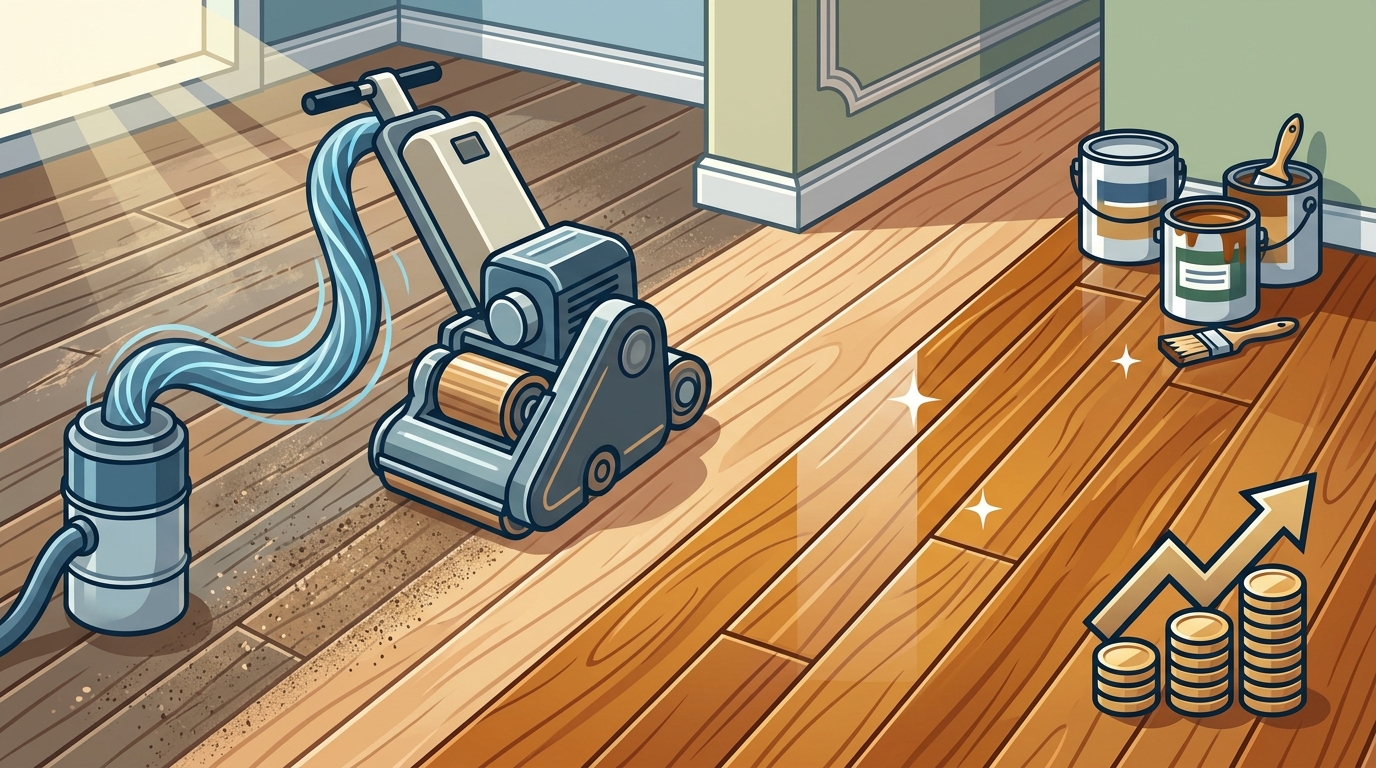
Hardwood floors are a significant investment in any home, yet they endure daily wear, fading sunlight, and moisture exposure that inevitably dull their original luster. According to the National Association of Realtors, refinishing hardwood floors can increase a home's resale value by up to 2.5 percent, making it one of the highest-return renovation projects available to homeowners. This statistic highlights that refinishing is not merely an aesthetic choice but a strategic financial decision that preserves asset integrity. Professional intervention ensures that the wood substrate is treated with industrial-grade equipment and expert techniques that DIY methods simply cannot replicate.
Why Professional Sanding Matters
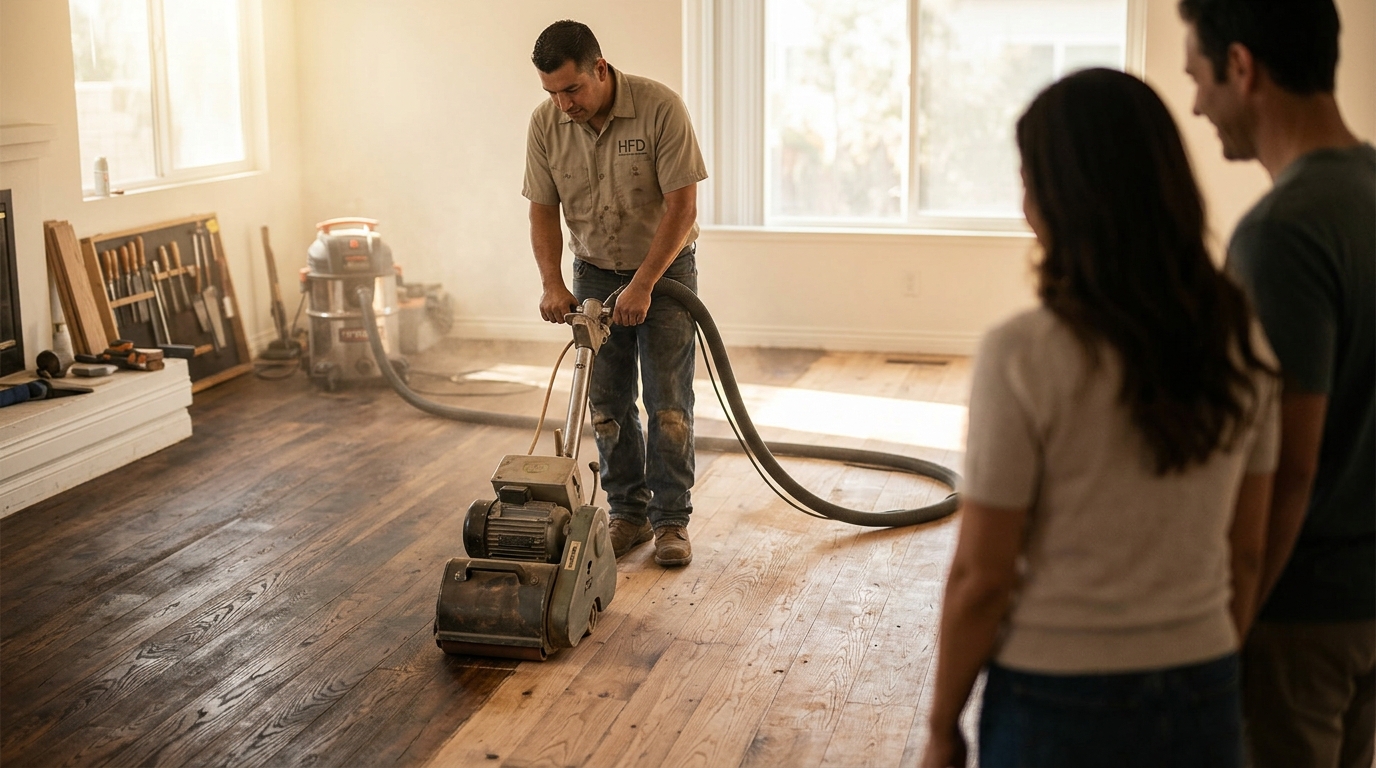
The core distinction between professional and amateur refinishing lies in the machinery and technique. Professional sanding utilizes drum and orbital sanders that operate at consistent speeds, ensuring an even removal of the top wood layer. This process eliminates deep scratches, water stains, and uneven wear patterns that accumulate over years of foot traffic. When you visit our blog for more insights, you will find that proper sanding is the foundation of a durable finish.
Amateur attempts often result in "swirl marks" or uneven grooves because handheld sanders lack the power to penetrate deep into the wood grain. Professionals also understand how to manage the dust containment systems, which is critical for protecting the rest of your home during the renovation process. The precision of professional equipment allows for a perfectly flat surface, which is essential for the proper adhesion of stains and sealants.
Furthermore, professional sanders can reach edges and corners that standard DIY kits miss. These areas are prone to dirt accumulation and wear. By addressing these blind spots, professionals ensure that the entire floor surface is uniformly refreshed. This comprehensive approach prevents future patchiness where new finish meets old, untreated wood.
Cost Efficiency and Longevity
Many homeowners hesitate to refinish because of the upfront cost, yet the long-term savings are substantial. Replacing hardwood floors entirely involves demolition, disposal fees, and the purchase of new materials, which can cost three to five times more than a professional refinishing job. Refinishing extends the life of your existing floors by decades, provided the underlying wood thickness is sufficient. This makes it a highly sustainable option that reduces construction waste.
The durability of a professionally refinished floor is superior due to the use of commercial-grade polyurethane or aluminum oxide finishes. These coatings are significantly more resistant to scratches and moisture than residential DIY products. According to industry data, properly maintained hardwood floors can last over a century, whereas poorly finished floors may require replacement within ten to fifteen years. This longevity translates to a lower cost per year of service.
Additionally, refinishing allows you to update the look of your home without the disruption of a full tear-out. You can change the stain color to match current design trends, such as moving from dark walnut to lighter oak tones. This flexibility means you can adapt your home's aesthetic as your personal style evolves, all while retaining the structural integrity of the original installation.
Aesthetic Flexibility and Design
Refinishing offers a blank canvas for interior design transformation. The process allows for complete color customization, enabling homeowners to align their flooring with new paint schemes or furniture. Whether you prefer the warm, rustic look of a weathered finish or the sleek, modern appearance of a high-gloss sealant, professionals can achieve these distinct looks. The accessories and finishing products used by experts ensure that the final result is both beautiful and functional.
One of the most compelling benefits is the ability to remove previous, outdated finishes. Old wax or oil-based coatings can yellow over time, giving floors a dull, amber hue. Professional sanding strips away this discoloration, revealing the natural, fresh color of the wood underneath. This restoration of natural beauty is often surprising to homeowners who believe their floors are too damaged to be saved.
Moreover, refinishing allows for the repair of localized damage. If specific boards are warped or deeply gouged, professionals can spot-replace or blend these areas seamlessly. This level of detail is impossible to achieve with a simple surface coat. The result is a floor that looks brand new, with consistent grain patterns and color uniformity throughout the entire space.
Health and Indoor Air Quality
Hardwood floors are often cited as a healthier flooring option compared to carpet, but only if they are properly maintained. Over time, carpets trap allergens, dust mites, and mold spores deep within their fibers. While hardwood does not trap these particles, a dirty or poorly sealed surface can still harbor dust in its micro-grooves. Professional refinishing removes these embedded contaminants, significantly improving indoor air quality.
The sanding process, when performed by professionals with HEPA-filtered vacuum systems, removes the top layer of dust and allergens rather than just moving them around. This is crucial for households with allergy sufferers or individuals with respiratory sensitivities. After refinishing, the new sealant creates a smooth, non-porous barrier that prevents future dust accumulation.
Additionally, the use of low-VOC (Volatile Organic Compounds) finishes by reputable contractors minimizes the release of harmful chemicals into your home during and after the project. This attention to material safety ensures that your home remains a healthy environment. The combination of a clean surface and a protective sealant makes maintenance easier and more effective, reducing the need for harsh cleaning chemicals.
Service Comparison Overview
Understanding the differences between various flooring services helps in making an informed decision. The table below outlines the key distinctions between refinishing, resurfacing, and replacement.
| Service Type | Depth of Treatment | Lifespan Extension | Best For |
|---|---|---|---|
| Professional Refinishing | Full sanding to bare wood | 20-30+ years | Deep scratches, color change, major wear |
| Screen and Recoat | Surface abrasion only | 3-5 years | Faded finish, minor scuffs, no color change |
| Floor Replacement | Complete removal and new install | New 20-50 year lifespan | Structural damage, rot, or subfloor issues |
As seen in the comparison, professional refinishing offers the best balance of cost and longevity for floors that are worn but structurally sound. It is the ideal middle ground between a quick cosmetic fix and a major construction project. For more details on our specific carpet and flooring services, please explore our catalog.
Key Takeaways
- Financial Return: Refinishing can boost home value by up to 2.5 percent, offering a high return on investment.
- Cost Savings: It costs significantly less than full replacement, often saving thousands of dollars in material and labor.
- Extended Lifespan: Proper sanding and sealing can extend the life of hardwood floors by several decades.
- Aesthetic Control: Homeowners can completely change the color and style of their floors to match current trends.
- Health Improvement: Removing old finishes and sealing the wood reduces allergens and improves indoor air quality.
- Durability: Commercial-grade finishes provide superior resistance to scratches, moisture, and wear compared to DIY options.
- Sustainability: Refinishing reduces construction waste by preserving existing wood resources.
Frequently Asked Questions
How long does professional hardwood floor refinishing take?
The process typically takes three to five days, including sanding, staining, and drying time for the finish. The exact duration depends on the size of the area and the type of finish used.
Can I stay in my home during the refinishing process?
While it is possible, it is often recommended to stay elsewhere for the first 24 to 48 hours due to the strong odors from stains and sealants. Professionals use low-VOC options to minimize this impact.
How often should hardwood floors be refinished?
High-traffic areas may need refinishing every 7 to 10 years, while lower-traffic areas can go 15 to 20 years or more. Regular maintenance and protective pads can extend these intervals.
What is the difference between sanding and screen-and-recoat?
Sanding removes the entire top layer of wood to reveal fresh surface, allowing for color changes. Screen-and-recoat only lightly abrades the existing finish to allow new coating to adhere, without changing the color.
Is refinishing worth the cost compared to replacement?
Yes, for most homes, refinishing is far more cost-effective and less disruptive. Replacement is only necessary if the wood is structurally compromised, rotted, or too thin to sand.
What type of finish is best for hardwood floors?
Polyurethane is the most common and durable option, available in oil-based and water-based formulas. Aluminum oxide finishes offer even greater scratch resistance and are ideal for high-traffic homes.
Can professional sanding remove water stains?
Yes, professional sanding can remove surface water stains. However, if the water has penetrated deeply into the wood grain, causing discoloration that sanding cannot reach, spot repair or board replacement may be necessary.
Schedule Your Refinishing Service
Do not let worn floors diminish the beauty and value of your home. Professional sanding and refinishing restore the original charm and durability of your hardwood, providing a fresh start for your living spaces. Contact Hardwood Flooring Depot today to schedule a consultation and discover how we can transform your floors. Visit our blog for more expert tips on flooring care and maintenance.