
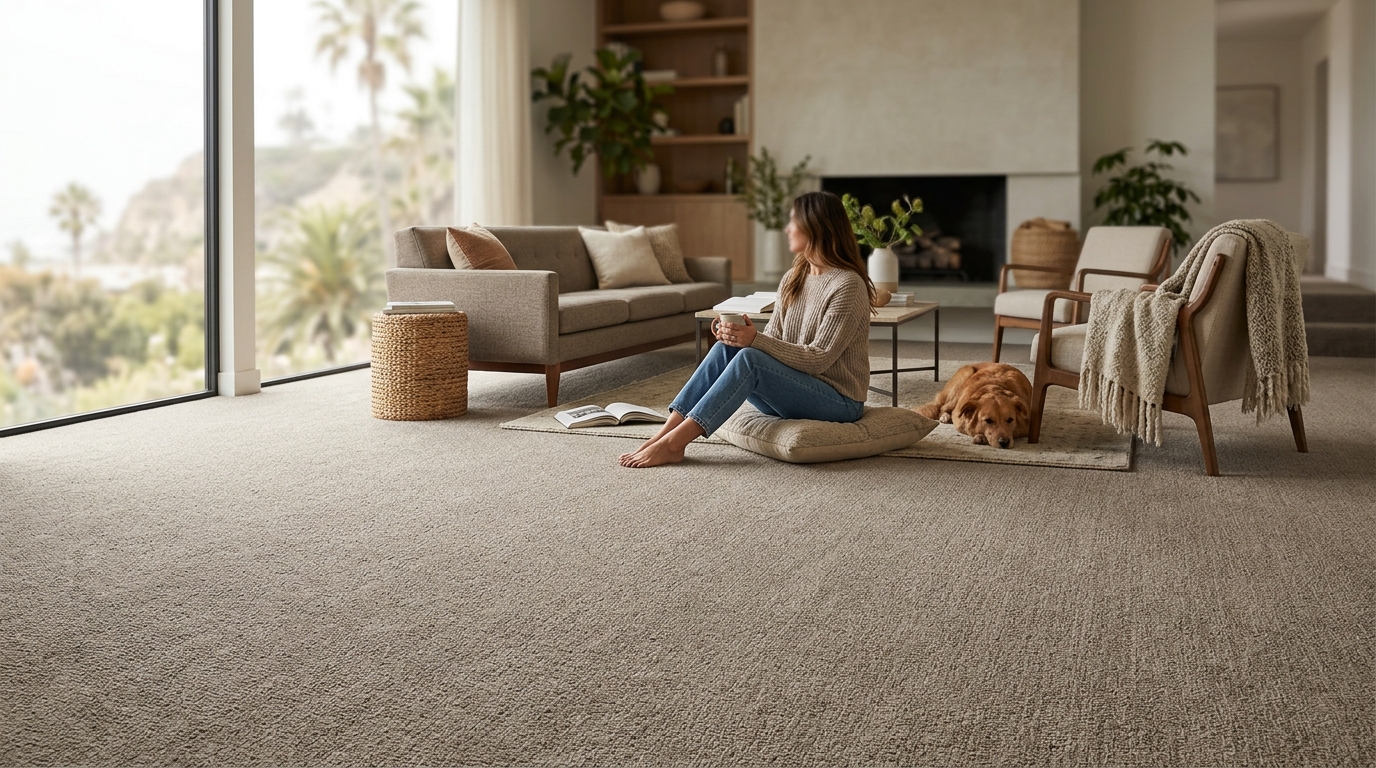
Homeowners in Southern California are increasingly prioritizing cost-effective renovation strategies without sacrificing aesthetic appeal. According to recent housing market data, the average cost of flooring installation in California has risen by 15% over the last two years, making budget-conscious decisions critical for large-scale projects. This trend is particularly evident in major metropolitan areas like Orange County, where labor and material costs are higher than the national average. For homeowners with expansive living spaces, the square footage required can quickly inflate a renovation budget. However, selecting the right carpet type can significantly mitigate these costs while delivering durability and style. This guide explores the most viable carpet options for large living rooms, focusing on value, longevity, and regional suitability. (Cordon BX13929 36 HFD)
Understanding Carpet Piles for Durability
Before diving into specific materials, it is essential to understand how carpet pile construction affects both price and performance. Carpet pile refers to the way the fibers are attached to the backing. The two primary categories are cut pile and loop pile. Cut pile carpets have the loops cut open, creating a soft, plush surface. Loop pile carpets retain the looped structure, offering greater durability and resistance to crushing. For a large living room that experiences heavy foot traffic, a low-loop or tight-cut pile is often the most practical choice. These constructions resist wear and tear better than high-pile alternatives, ensuring your budget-friendly investment lasts longer. Choosing the correct pile type is the first step in maximizing the lifespan of your flooring.
Another critical factor is the density of the carpet. High-density carpets feel firmer underfoot but are more resistant to indentation. In large rooms, where furniture placement can create permanent indentations, a dense carpet maintains its appearance over time. When shopping for budget options, do not sacrifice density for softness. A dense, lower-cost carpet will outperform a soft, low-density alternative in a high-traffic environment. This principle is especially relevant in Southern California, where indoor-outdoor living means more dirt and debris are tracked into the home.
Top Budget-Friendly Materials
When working with a strict budget, the choice of fiber material is the most significant cost driver. Not all fibers are created equal, and some offer exceptional value for residential use. The following materials are widely recognized for their balance of affordability and performance.
Nylon Carpet
Nylon is the most popular fiber for residential flooring due to its exceptional resilience and stain resistance. It is known for its ability to bounce back after being compressed, making it ideal for large living rooms with heavy furniture. While premium nylon can be expensive, standard nylon options are widely available at competitive price points. Nylon is the industry standard for durability in high-traffic areas. It also holds dye well, meaning colors remain vibrant even after years of exposure to sunlight, a common concern in sunny Southern California homes.
Polyester Carpet
Polyester is often the go-to choice for homeowners seeking a soft feel at a lower cost. It is naturally stain-resistant and comes in a wide variety of colors and textures. However, polyester is less resilient than nylon, meaning it may crush and mat down over time in high-traffic zones. For a large living room, consider using polyester in areas with less furniture weight or opt for a higher density polyester blend. It is an excellent option for those prioritizing immediate aesthetic appeal and softness over long-term structural integrity.
Olefin (Polypropylene) Carpet
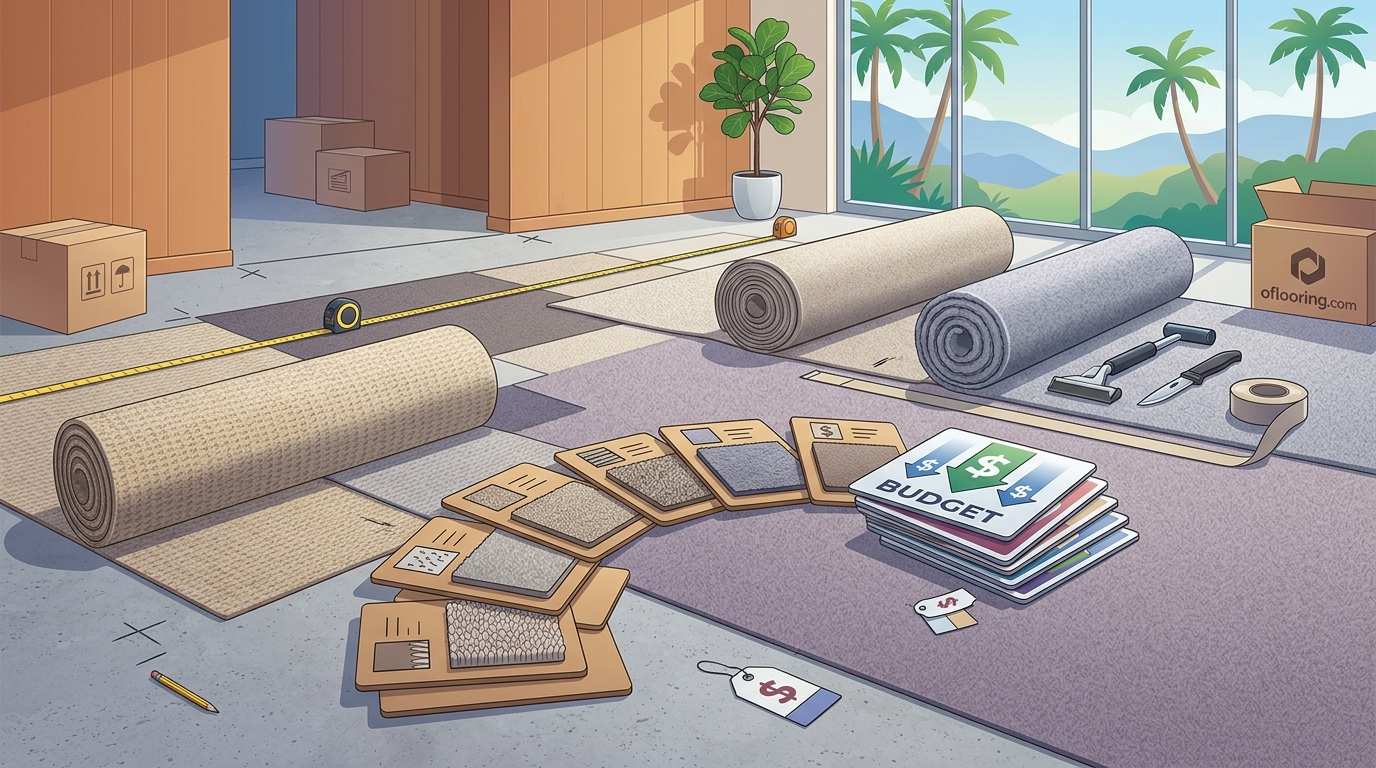
Olefin is a synthetic fiber that is highly resistant to moisture and stains. It is often used in commercial settings but is gaining traction in residential applications due to its low cost. Olefin is less soft than nylon or polyester but is extremely durable against wear. It is also resistant to mold and mildew, which can be a benefit in humid coastal areas of Southern California. While it may not offer the plush feel of other fibers, its affordability and practicality make it a strong contender for budget-conscious renovations.
Color and Design Strategies
The color and pattern of your carpet can significantly impact both the perceived size of the room and the overall cost. Lighter colors tend to make a large living room feel more spacious and airy, which is a desirable effect in many Southern California homes. However, light carpets show dirt more easily, requiring more frequent cleaning. Darker colors hide dirt better but can make a room feel smaller. Mitigated patterns and multi-tonal colors are excellent for hiding stains and wear.
For a budget-friendly approach, consider using a neutral color palette. Neutrals like beige, gray, and taupe are timeless and appeal to a broad range of tastes. They also tend to be less expensive than custom or vibrant colors, which may require special dye lots. Additionally, patterned carpets can help disguise wear and tear, extending the time between replacements. This strategy is particularly effective in large rooms where the carpet covers a significant portion of the visible floor space.
Installation and Padding Considerations
The cost of the carpet itself is only one part of the total expense. Installation and padding are critical components that affect both the final price and the longevity of the floor. In Southern California, labor costs for flooring installation can vary significantly based on the contractor and the complexity of the job. Proper padding is essential for extending the life of your carpet. A high-quality pad provides cushioning, improves insulation, and prevents the carpet from wearing out prematurely.
When budgeting, do not skimp on the padding. A cheap pad may save money upfront but can lead to faster carpet degradation, resulting in higher long-term costs. Look for pads made from high-density foam or rubber, which offer the best support and durability. Additionally, consider the cost of removing your existing flooring. If you are replacing hardwood or tile, removal and disposal fees can add to the total project cost. Planning for these ancillary expenses ensures your budget remains accurate and manageable.
Comparison of Budget Carpet Options
To help you make an informed decision, the following table compares the key attributes of the most common budget-friendly carpet materials. This comparison focuses on cost, durability, and suitability for large living rooms in Southern California.
| Material | Average Cost per Sq. Ft. | Durability | Best For | Pros | Cons |
|---|---|---|---|---|---|
| Nylon | $2.00 - $4.00 | High | High-traffic areas | Resilient, stain-resistant | Can be pricey |
| Polyester | $1.50 - $3.00 | Medium | Low to medium traffic | Soft, affordable, colorful | Less resilient |
| Olefin | $1.00 - $2.50 | Medium-High | Moisture-prone areas | Moisture resistant, cheap | Less soft |
| Blend | $1.50 - $3.50 | Medium | Balanced performance | Cost-effective, versatile | Variable quality |
Key Takeaways
- Nylon offers the best balance of durability and cost for high-traffic living rooms in Southern California.
- Polyester is ideal for softness and color variety but may require more frequent replacement in heavy-use areas.
- Olefin is the most affordable option and is highly resistant to moisture and stains.
- Proper padding is critical for extending the lifespan of budget-friendly carpets.
- Neutral colors and patterns help hide dirt and wear, reducing maintenance costs.
- Installation costs in Southern California can be significant, so factor in labor and removal fees.
- Regular maintenance is essential to maximize the value of any carpet investment.
Frequently Asked Questions
What is the cheapest carpet material for a large living room?
Olefin (polypropylene) is typically the most affordable carpet material. It offers good durability and moisture resistance, making it a practical choice for budget-conscious homeowners.
How can I make a large living room look bigger with carpet?
Using light-colored carpets and low-pile styles can help make a large room feel more spacious. Avoiding busy patterns also contributes to a more open aesthetic.
Is polyester carpet durable enough for a living room?
Polyester is durable for low to medium traffic areas. However, it is less resilient than nylon and may crush under heavy furniture. For high-traffic living rooms, a high-density polyester or a nylon blend is recommended.
How much does carpet installation cost in Southern California?
Installation costs vary by contractor and location, but generally range from $1.00 to $3.00 per square foot for labor and padding. Always get multiple quotes to ensure a fair price.
Can I install carpet over existing hardwood?
Yes, you can install carpet over existing hardwood, but it may add height to the floor. Ensure the subfloor is level and secure to prevent any issues with the new carpet installation.
What is the best padding for budget carpets?
High-density foam or rubber padding is recommended for budget carpets. It provides the necessary support and cushioning to extend the life of the carpet without adding significant cost.
How do I clean and maintain budget-friendly carpet?
Regular vacuuming and prompt stain removal are essential. Consider using a professional cleaning service once or twice a year to deep clean the carpet and remove embedded dirt.
Contact Our Experts
Ready to transform your large living room with budget-friendly carpet options? Our team at Hardwood Flooring Depot Irvine specializes in providing high-quality flooring solutions tailored to your needs and budget. We offer a wide range of carpet materials, including nylon, polyester, and olefin, to suit every style and price point. Visit our showroom in Irvine to explore our collection and speak with our experts. Contact us today at 949-453-3300 to schedule a consultation and get a free estimate for your project.