
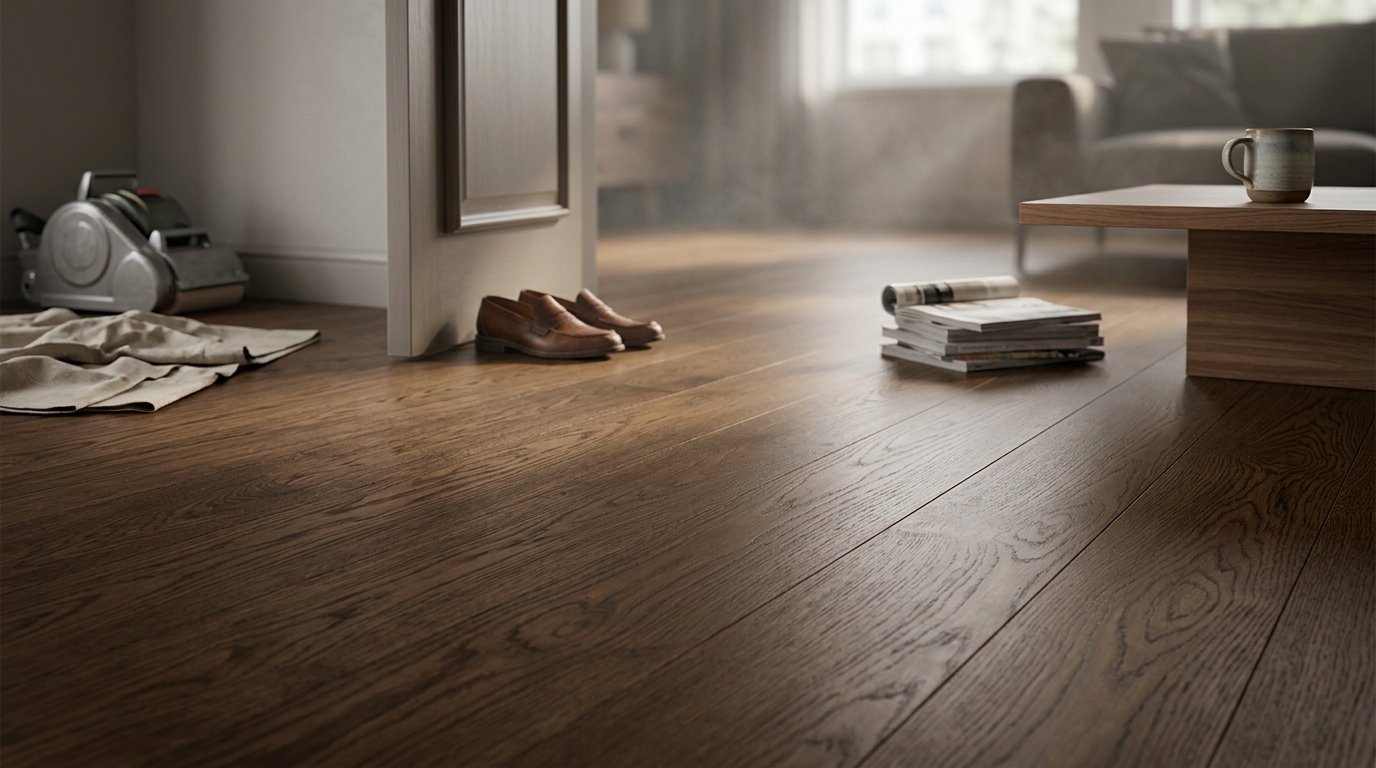
Benefits of Professional Hardwood Flooring Sanding and Refinishing
Hardwood flooring is a significant investment that defines the character of any home. However, time, foot traffic, and environmental shifts inevitably take a toll on even the most durable surfaces. According to industry data, properly maintained hardwood floors can last for decades, but neglect can reduce their lifespan by up to 50% due to irreversible surface damage. Professional sanding and refinishing is not merely a cosmetic update; it is a structural restoration that revitalizes the integrity and value of your property. This guide details why expert intervention is superior to DIY attempts and how it preserves your home's aesthetic and financial worth.
Why Professional Expertise Matters
Hardwood flooring is a complex material that reacts differently to moisture, heat, and mechanical abrasion. Professional sanding involves precise control over grit progression, drum speed, and edge detailing. A common misconception is that sanding is simply about smoothing the surface. In reality, Hardwood Flooring is a natural material that expands and contracts with humidity changes. Professionals understand how to account for these shifts during the refinishing process to prevent future cupping or gapping.
DIY kits often lack the industrial-grade dust containment systems used by professionals. This leads to fine particulate matter spreading throughout your home, which can settle into HVAC systems and cause respiratory issues. Furthermore, uneven sanding by amateurs can create "swirl marks" or low spots that become glaringly obvious once the new finish is applied. At Hardwood Flooring Depot, our Irvine-based team utilizes commercial-grade equipment to ensure a perfectly flat, uniform surface ready for staining and sealing.
Another critical factor is the selection of the correct finish. Water-based polyurethanes dry quickly and have low odor, while oil-based options offer deeper penetration and amber tones. Professionals can advise on which finish aligns with your lifestyle, considering factors like pet traffic and sunlight exposure. This expertise ensures that the refinished floor not only looks beautiful but also withstands daily wear and tear for years to come.
Cost Efficiency vs. Replacement
One of the most compelling benefits of refinishing is the significant cost savings compared to full floor replacement. Removing existing hardwood and installing new material involves high labor costs, disposal fees, and the purchase of new raw materials. Refinishing, by contrast, reuses the existing substrate, which is often in excellent structural condition despite surface damage.
According to home improvement industry reports, refinishing hardwood floors typically costs a fraction of the price of replacement, often saving homeowners thousands of dollars. This cost efficiency does not mean a compromise in quality. A professionally refinished floor can look brand new, with the grain of the wood fully exposed and the surface smooth to the touch. This makes refinishing an economically smart choice for homeowners who want to upgrade their home's appearance without the financial burden of a full renovation.
Additionally, refinishing can extend the life of your floors by decades. If your hardwood floors are original to your home, they may be made from old-growth timber, which is denser and more durable than many modern alternatives. Preserving this material through sanding and refinishing maintains the historical integrity of your home while providing modern durability. This is particularly important in older neighborhoods where architectural authenticity is valued.
Aesthetic and Design Flexibility
Refinishing offers a unique opportunity to change the look of your home without changing the material. Over time, the finish on hardwood floors can yellow, darken, or become dull. Sanding removes this aged layer, revealing the fresh, natural color of the wood underneath. This process can brighten a room significantly, making it feel larger and more inviting.
Beyond just restoring the original color, refinishing allows for a complete color transformation. You can lighten dark oak to a Scandinavian white-wash look, stain maple to a rich walnut tone, or introduce modern gray hues. This flexibility means your floors can adapt to changing interior design trends. For example, if you are preparing to sell your home, a neutral, light stain can appeal to a broader range of buyers by providing a blank canvas for their own decor.
The ability to customize the sheen level is another aesthetic benefit. Options range from high-gloss, which reflects light and enhances color depth, to matte or satin finishes, which hide scratches and footprints better. Professionals can help you choose the right sheen based on the amount of natural light in your home and your maintenance preferences. This level of customization is impossible with pre-finished flooring, making refinishing a superior option for those seeking a tailored look.
Health, Safety, and Air Quality
Worn hardwood floors can harbor allergens, dust mites, and mold spores in their cracks and scratches. Unlike carpet, which traps these particles deep within its fibers, hardwood is a hard surface that is easier to clean. However, if the finish is compromised, dirt can become embedded in the wood grain, making it difficult to remove with standard cleaning methods. Refinishing restores the protective seal, making the floor easier to maintain and healthier to walk on.
Professional refinishing also addresses safety concerns. Uneven floors or loose boards can pose a tripping hazard, especially for children and the elderly. Sanding and refinishing often involve leveling the surface and securing loose boards, thereby improving the overall safety of your home. Furthermore, the use of low-VOC (Volatile Organic Compound) finishes by professionals ensures that the air quality in your home is not compromised during and after the project.
It is important to note that improper refinishing can lead to long-term health issues due to the release of harmful chemicals. Professionals adhere to strict safety protocols, including the use of HEPA-filtered sanders and proper ventilation. This ensures that the refinishing process is not only effective but also safe for your family and pets. By choosing a reputable service provider, you prioritize the health and well-being of your household alongside the aesthetic improvement of your floors.
The Refinishing Process Explained
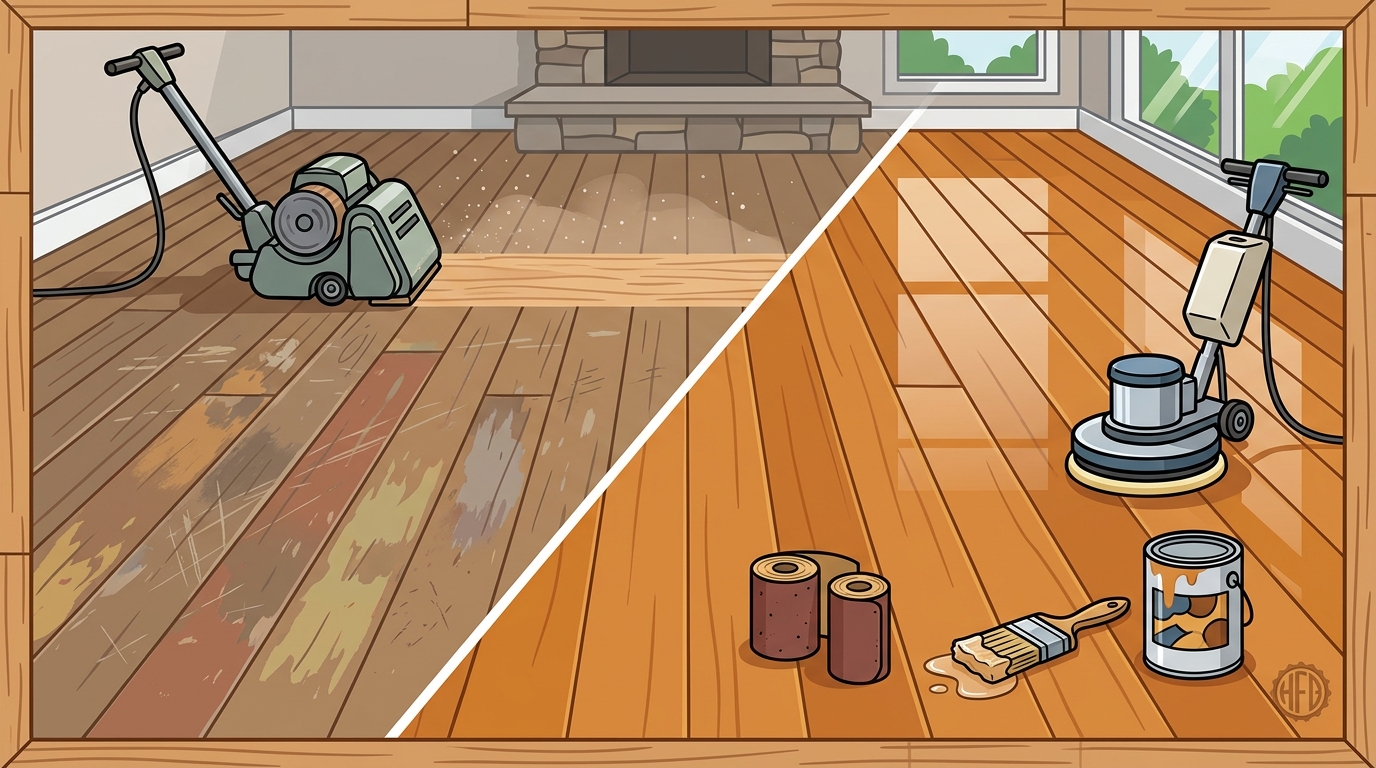
Understanding the refinishing process helps homeowners appreciate the value of professional service. The process begins with a thorough inspection to determine the condition of the wood and the type of finish currently applied. This is followed by the removal of furniture and the initial sanding using coarse grit paper to strip away the old finish and smooth out imperfections.
Next, the floor is sanded with progressively finer grits to achieve a smooth surface. Edges and corners are handled with detail sanders to ensure no area is missed. After sanding, the floor is thoroughly cleaned to remove all dust. This step is critical, as any remaining dust can mix with the new finish, creating a rough texture.
Finally, the stain (if desired) is applied, followed by multiple coats of protective finish. Each coat must dry completely before the next is applied, and light sanding between coats ensures proper adhesion. The result is a floor that is not only beautiful but also durable and resistant to future damage. This meticulous process is why professional refinishing yields such superior results compared to DIY attempts.
| Aspect | Professional Refinishing | DIY Refinishing |
|---|---|---|
| Equipment | Industrial-grade drum and edge sanders with dust containment. | Rental belt sanders with minimal dust control. |
| Finish Quality | Uniform, smooth, and durable with professional-grade products. | Prone to swirl marks, lap marks, and uneven coverage. |
| Air Quality | Controlled environment with HEPA filtration and ventilation. | High risk of dust and fume spread throughout the home. |
| Longevity | Extended lifespan due to proper surface preparation and sealing. | Shorter lifespan due to potential premature wear and damage. |
Key Takeaways
- Cost Savings: Refinishing is significantly cheaper than full floor replacement, often saving thousands of dollars while preserving the original material.
- Aesthetic Renewal: Sanding removes damaged finish and allows for color changes, brightening rooms and updating outdated styles.
- Health Benefits: Restoring the finish makes floors easier to clean, reducing allergens and improving indoor air quality.
- Expertise Matters: Professionals use industrial equipment to ensure a smooth, uniform surface that DIY kits cannot replicate.
- Longevity: Proper refinishing can extend the life of hardwood floors by decades, protecting your investment.
- Safety: Leveling uneven boards and using low-VOC finishes enhances home safety and health.
- Customization: Choose from various stains and sheens to match your current interior design trends.
Frequently Asked Questions
How long does it take to refinish hardwood floors?
The process typically takes three to five days, depending on the size of the area and the drying time of the finish. Sanding and staining may take one day, while applying and drying multiple coats of finish can take several days.
Can I stay in my home during the refinishing process?
It is generally recommended to stay out of the area during sanding due to dust and noise. While modern low-VOC finishes have less odor, it is best to avoid the space until the finish has fully cured, which can take up to a week.
How often should hardwood floors be refinished?
High-traffic areas may need refinishing every 7 to 10 years, while less used areas can go 15 to 20 years or more. Regular maintenance and proper care can extend the time between refinishing projects.
Is refinishing worth it for old floors?
Yes, especially if the floors are made of solid hardwood. Old-growth timber is often more durable than modern wood, and refinishing can restore its beauty and value. Even floors with minor damage can be saved through professional intervention.
What is the difference between sanding and screen-and-recoat?
Sanding involves removing the entire finish down to the bare wood, which is necessary for significant damage or color changes. Screen-and-recoat lightly abrades the existing finish and applies a new layer, which is suitable for floors in good condition with only minor wear.
Do you offer dustless sanding?
Yes, professional refinishing services use dustless sanding systems that capture up to 99% of the dust generated during the process, keeping your home clean and reducing health risks.
Can I choose any color for my refinished floors?
While you have many options, the final color depends on the type of wood and its natural tone. Lighter woods like maple or birch take stain differently than darker woods like walnut or cherry. A professional can guide you on the best options for your specific flooring.
Schedule Your Consultation
Ready to transform your home with beautiful, durable hardwood floors? Contact Hardwood Flooring Depot in Irvine for a professional assessment and quote. Our experts are ready to help you choose the right materials and finish for your space. Visit our accessories page to explore complementary products. Explore our luxury vinyl options if you are considering alternative materials. Discover our French Collection for elegant designs. Check out our Brittany Collection for rustic charm. Get in touch today to start your flooring journey.