
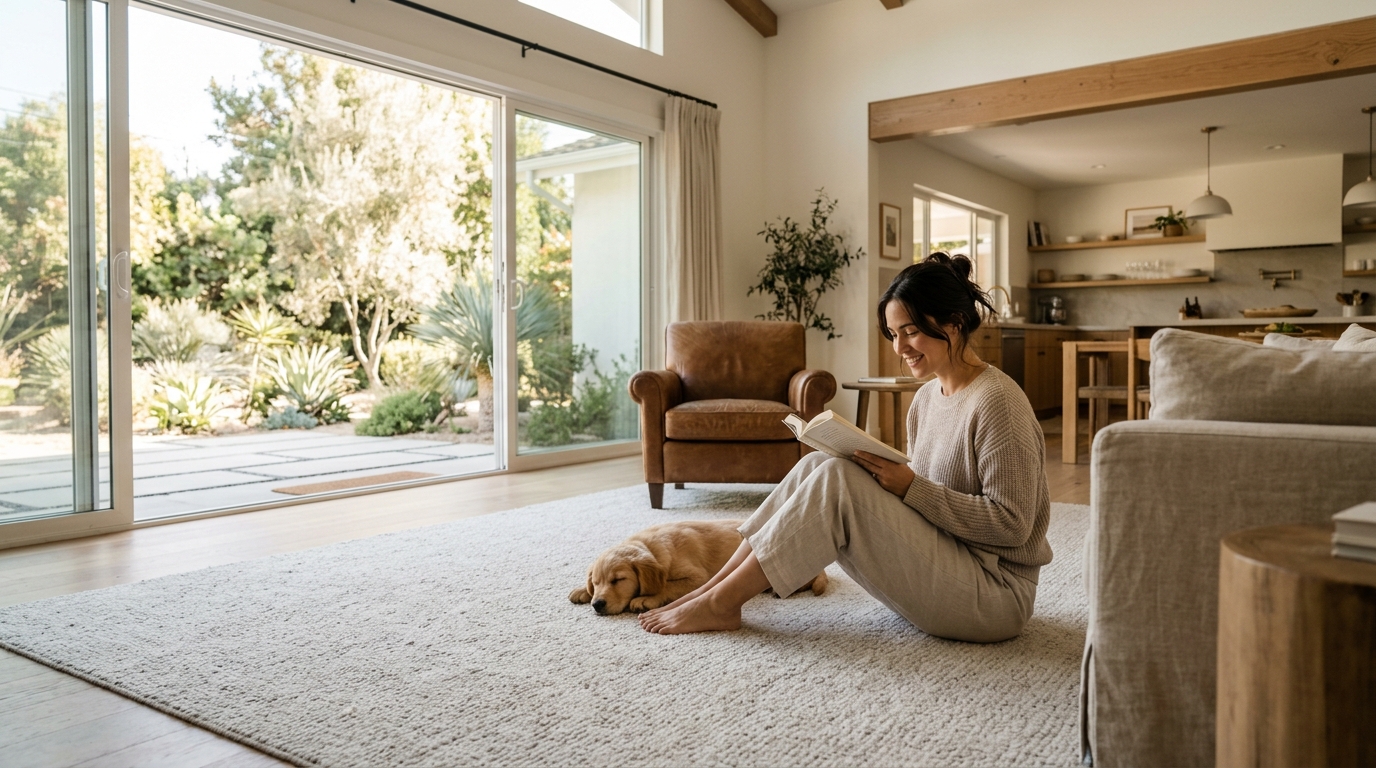
Homeowners across Southern California are increasingly prioritizing cost-effective flooring solutions for expansive living spaces. Recent market analysis indicates that carpet installations in large open-concept layouts have grown by nearly eighteen percent over the last three years. This shift reflects a broader consumer preference for soft surface materials that reduce overall renovation expenses while maintaining aesthetic appeal. Selecting the right material requires balancing durability, climate adaptability, and strict budget parameters. We will examine the most accessible options available to local residents.
Understanding Carpet Construction Types
Loop Pile Variations
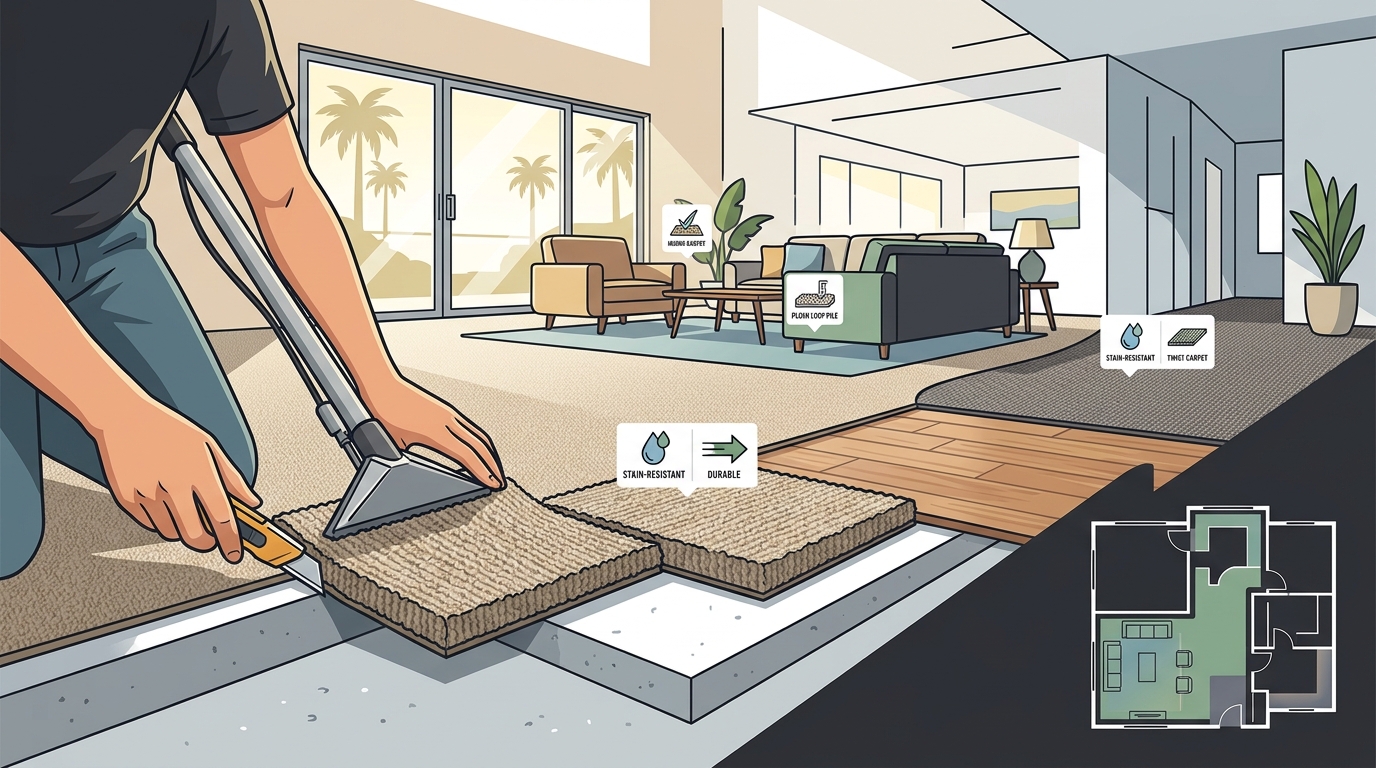
Loop pile carpet is a construction method where continuous strands of fiber are woven into the backing without being cut. This technique creates a highly resilient surface that resists crushing under heavy furniture. Large living rooms typically feature high-traffic zones near seating arrangements and walkways. Loop constructions handle this constant movement exceptionally well. You will find these options readily available at our main carpet collection page for direct comparison.
Cut Pile Alternatives
Cut pile variants offer a softer tactile experience underfoot. These fibers are trimmed at the top to create a plush appearance. While they provide superior comfort, they may show footprints more frequently. Budget-conscious buyers often select textured cut piles to hide wear patterns. The material selection process becomes significantly easier when you visit our educational blog resources for detailed breakdowns.
Evaluating Face Weight and Durability
Defining Material Density
Face weight refers to the total weight of the carpet fibers contained within a single square yard of material. This metric directly correlates with how long the flooring will withstand daily usage. A higher face weight typically indicates a longer lifespan and better resistance to matting. Large rooms demand materials that can handle consistent foot traffic without premature degradation. You can explore our complete finishing and protection guides to learn about protective treatments.
Synthetic Fiber Comparisons
Nylon and polyester remain the most popular synthetic choices for budget projects. Nylon offers exceptional resilience and stain resistance. Polyester provides a softer feel and often comes at a lower price point. Both materials perform reliably in moderate humidity environments. Local contractors frequently recommend blending these fibers to maximize value. Contact our team directly via our consultation portal to discuss specific material requirements.
Climate Considerations for Southern California
Managing Indoor Humidity Levels
Moisture barrier is a protective underlayment layer designed to prevent ground vapor from damaging synthetic fibers. Southern California homes often experience seasonal humidity fluctuations that impact flooring performance. Proper underlayment installation prevents mold growth and extends the life of budget carpets. Large living rooms with concrete subfloors require extra attention to vapor transmission. Regional building codes emphasize proper ventilation to maintain indoor air quality. The Environmental Protection Agency confirms that proper ventilation reduces indoor pollutant concentrations by up to fifty percent. Green building standards provide clear guidelines for material selection.
Temperature Fluctuation Management
Extreme heat can cause certain synthetic fibers to expand or contract slightly. Proper acclimation periods before installation prevent buckling or seam separation. Large open spaces experience more temperature variation than smaller enclosed rooms. Contractors typically recommend installing flooring during moderate seasonal windows. This practice ensures optimal adhesion and minimizes future structural stress. The U.S. Census Bureau tracks regional housing development trends that directly influence material demand. Housing market data highlights the growing preference for sustainable home improvements.
Installation Methods and Cost Variables
Direct Glue vs. Stretch-In Techniques
Direct glue installations provide a permanent bond to the subfloor. This method eliminates future shifting or wrinkling issues. Stretch-in techniques rely on perimeter tack strips to hold the material in place. Both methods offer distinct advantages depending on your long-term ownership plans. Large living rooms often benefit from direct glue applications due to their expansive square footage. Professional installation ensures warranty compliance and optimal performance. The Flooring Industry Association reports that proper installation reduces long-term replacement costs by nearly thirty percent. Industry installation standards emphasize the importance of certified technicians.
Subfloor Preparation Requirements
Concrete slabs require thorough cleaning and moisture testing before any carpet goes down. Wood subfloors need proper leveling to prevent visible imperfections. Large rooms amplify any subfloor irregularities if not addressed beforehand. Budget projects often skip extensive prep work, which leads to premature failure. Investing in proper subfloor preparation protects your initial financial commitment. Our specialists provide comprehensive subfloor assessments during every project consultation.
Maintenance Protocols for Longevity
Regular Cleaning Schedules
Weekly vacuuming with a HEPA filter removes embedded dust and allergens. Large living rooms accumulate debris faster due to their open sightlines. Professional deep cleaning should occur every twelve to eighteen months. This schedule preserves fiber integrity and maintains warranty coverage. Regular maintenance extends the functional life of budget materials significantly. You can access our detailed flooring care instructions for step-by-step guidance.
Stain Management Strategies
Immediate spot treatment prevents permanent discoloration on light-colored carpets. Synthetic fibers generally resist common household spills more effectively than natural options. Using pH-neutral cleaning solutions protects fiber coatings and backing adhesives. Large rooms often feature high-traffic entry points that require extra attention. Establishing a cleaning routine early prevents costly replacement scenarios. Our team provides customized maintenance schedules tailored to your specific material choice.
Comparative Budget Carpet Analysis
| Carpet Type | Estimated Price Per Square Foot | Expected Lifespan | Best Application |
|---|---|---|---|
| Standard Nylon Loop | $1.50 to $2.25 | 10 to 15 years | High-traffic living areas |
| Polyester Cut Pile | $1.25 to $1.85 | 7 to 12 years | Moderate residential use |
| Blended Fiber Blend | $1.75 to $2.50 | 12 to 18 years | Open-concept layouts |
| Recycled PET Carpet | $1.40 to $2.00 | 8 to 14 years | Eco-conscious households |
Key Takeaways
- Loop pile constructions offer superior durability for high-traffic living rooms.
- Face weight directly correlates with material longevity and resistance to matting.
- Southern California humidity levels require proper moisture barrier installation.
- Direct glue methods provide the most stable foundation for large spaces.
- Regular vacuuming and annual deep cleaning extend budget carpet lifespan.
- Blended synthetic fibers balance cost efficiency with aesthetic flexibility.
- Professional subfloor preparation prevents premature installation failures.
Frequently Asked Questions
What is the most affordable carpet type for large living rooms?
Polyester cut pile typically offers the lowest upfront cost while maintaining acceptable durability for moderate residential use. It provides a soft texture and resists common household stains effectively.
How does Southern California weather impact carpet longevity?
Seasonal humidity fluctuations and temperature changes can cause synthetic fibers to expand or contract. Proper acclimation and moisture barriers mitigate these environmental stressors completely.
Is professional installation required for budget carpet options?
Professional installation ensures warranty compliance and optimal performance across expansive square footage. DIY methods often result in visible seams or premature wrinkling in large rooms.
How often should large living room carpets be professionally cleaned?
Annual deep cleaning preserves fiber integrity and maintains warranty coverage for budget materials. Regular vacuuming with HEPA filters removes embedded allergens between professional visits.
Can budget carpets handle heavy furniture without permanent indentation?
High face weight loop constructions resist crushing under heavy furniture loads. Placing protective pads under heavy legs further prevents permanent indentation over time.
What underlayment thickness is recommended for concrete subfloors?
Standard 6-pound density padding provides optimal comfort and sound dampening for large rooms. Thicker pads may void certain manufacturer warranties and cause seam separation.
Are recycled material carpets as durable as virgin synthetic options?
Modern recycled PET carpets match virgin synthetic performance in resilience and stain resistance. They offer a sustainable alternative without compromising long-term durability.
Ready to Transform Your Space?
Large living rooms deserve flooring that balances aesthetic appeal with strict budget constraints. Our experienced consultants provide personalized material recommendations tailored to your specific square footage and usage patterns. Visit our main showroom or schedule a virtual consultation to explore current inventory. We guarantee transparent pricing and professional installation across all Southern California projects. Explore our complete collection and start your renovation today.