
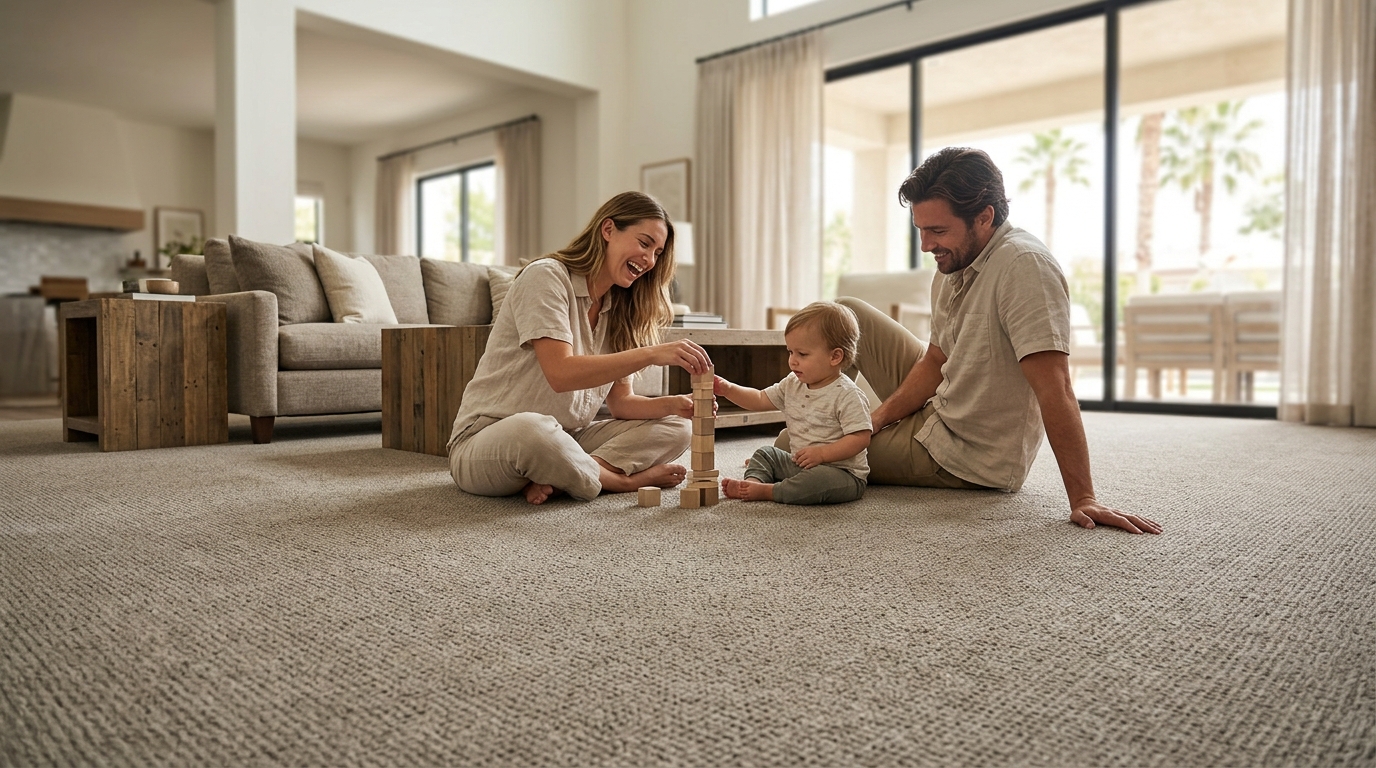
Budget-Friendly Carpet Options for Large Southern California Living Rooms
Homeowners in Southern California consistently prioritize durable flooring solutions that balance aesthetic appeal with strict financial constraints. Recent market analysis indicates that carpet remains the most cost-effective flooring choice for expansive living spaces, with average installation costs ranging between eighteen and twenty-five dollars per square foot. Market data confirms this pricing structure allows families to cover large square footage without exceeding standard renovation budgets. Selecting the right material requires understanding fiber composition, pile height, and regional climate compatibility. We will examine the most accessible options available today.
Understanding Carpet Fiber Types
Nylon is a synthetic polymer engineered to withstand heavy foot traffic and resist crushing. This material dominates the residential market because it recovers quickly from furniture indentation. Homeowners often select nylon for high-traffic living areas due to its exceptional durability.
Polyester is a recycled plastic fiber that offers a soft hand feel and vibrant color retention. This budget-friendly option provides excellent stain resistance without requiring expensive chemical treatments. Many contractors recommend polyester for modern open-concept layouts.
Olefin is a moisture-resistant synthetic material commonly used in basements and sunrooms. This fiber resists mold growth and handles humidity exceptionally well. Southern California homeowners frequently choose olefin for coastal properties near the ocean.
Evaluating Budget Pricing Tiers
Entry-level carpet bundles typically range from twelve to eighteen dollars per square foot. These packages include standard padding and basic installation labor. Contractors often bundle these materials to keep project costs predictable.
Mid-range selections usually cost between nineteen and thirty dollars per square foot. These bundles incorporate enhanced stain protection and extended warranty coverage. Families often invest in this tier to balance longevity with initial expenditure.
Premium budget options frequently exceed thirty-five dollars per square foot. These packages feature commercial-grade backing and advanced moisture barriers. Large living rooms benefit from these thicker underlayments to reduce sound transmission.
Climate Considerations for Southern California
Regional humidity levels directly impact carpet longevity and indoor air quality. The Environmental Protection Agency reports that indoor air quality often contains higher concentrations of particulate matter than outdoor environments. Air quality data confirms that proper ventilation and moisture barriers prevent mold development during humid summer months.
Direct sunlight accelerates fiber degradation and causes premature color fading. The U.S. Census Bureau notes that Southern California receives over two hundred fifty sunny days annually. Regional climate reports indicate that homeowners should select UV-resistant treatments to preserve carpet vibrancy.
Temperature fluctuations require flexible installation methods to prevent seam separation. Professional installers use heat-activated adhesives to secure edges securely. This technique ensures consistent performance across seasonal changes.
Installation and Maintenance Basics
Proper subfloor preparation eliminates uneven surfaces and extends carpet lifespan. Contractors typically inspect concrete slabs for moisture vapor transmission before laying padding. This diagnostic step prevents future bubbling or adhesive failure.
Regular vacuuming removes abrasive dust particles that damage synthetic fibers. Industry guidelines recommend weekly cleaning cycles to maintain warranty validity. Homeowners should adjust vacuum settings to match pile height specifications.
Spot cleaning protocols require immediate action to prevent permanent staining. Professional cleaners utilize enzymatic solutions to break down organic compounds. This approach preserves fiber integrity without harsh chemical exposure.
Where to Source Quality Materials
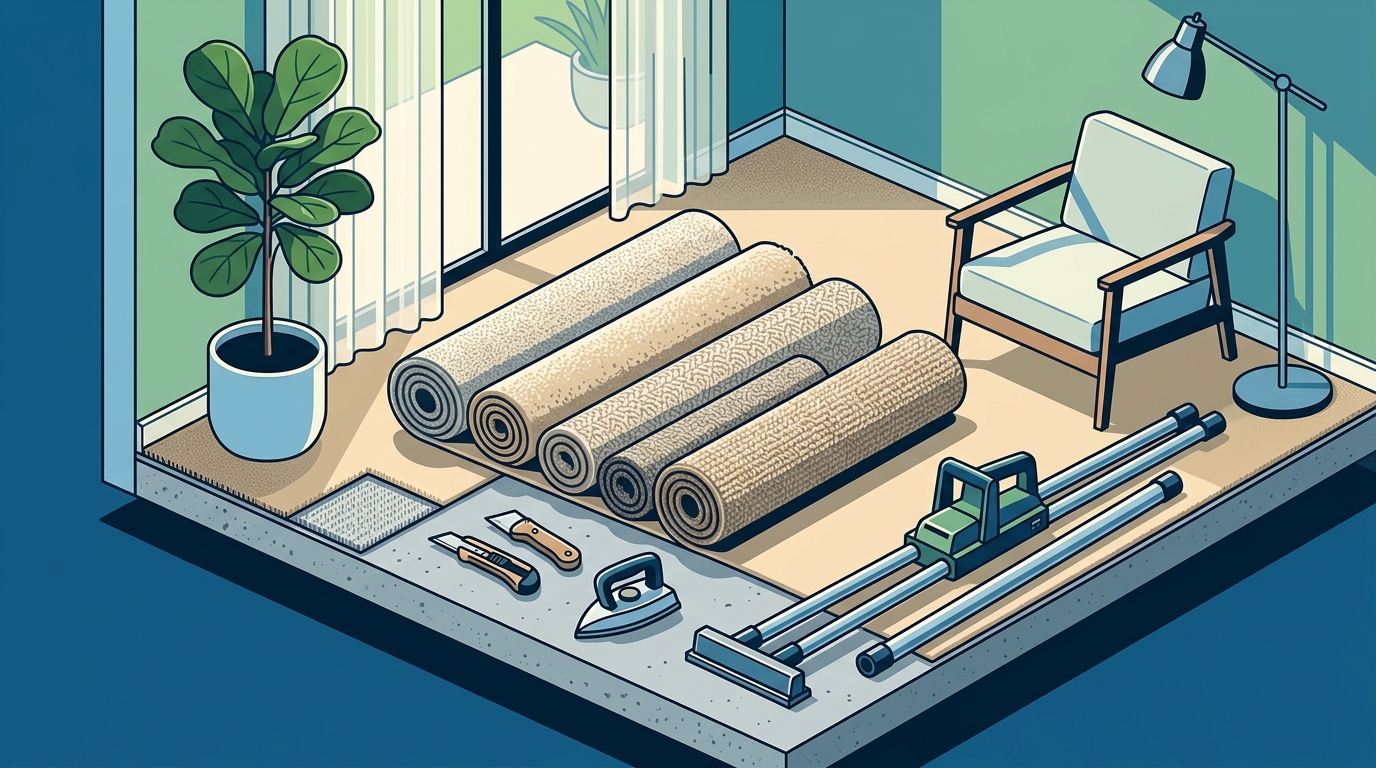
Local flooring retailers stock extensive inventory to support rapid project completion. Customers can visit showrooms to compare texture samples and pricing tiers. Staff members provide detailed guidance on material selection.
Online catalogs streamline the ordering process for large-scale renovations. Buyers can request physical swatches to verify color accuracy under natural lighting. This verification step reduces costly return shipments.
Regional suppliers often bundle accessories to simplify project management. Customers can explore molding and transition strips to complete room boundaries. These components ensure seamless transitions between different flooring types.
Comparison of Recommended Materials
| Fiber Type | Price Range | Durability Rating | Best Application |
|---|---|---|---|
| Nylon | $18 to $25 per sq ft | High | High-traffic living areas |
| Polyester | $12 to $18 per sq ft | Medium | Budget-conscious renovations |
| Olefin | $10 to $15 per sq ft | Medium | Coastal and humid zones |
| Wool Blend | $22 to $30 per sq ft | High | Premium residential spaces |
Key Takeaways
- Nylon fibers deliver maximum resilience against heavy furniture and foot traffic.
- Polyester offers the lowest entry price while maintaining strong stain resistance.
- Olefin materials naturally repel moisture and resist mold development.
- UV-resistant treatments prevent premature fading under intense Southern California sunlight.
- Professional subfloor moisture testing prevents long-term adhesive failure.
- Weekly vacuuming preserves warranty coverage and extends material lifespan.
Frequently Asked Questions
Is carpet a practical choice for large Southern California living rooms?
Carpet remains highly practical for expansive living spaces because it reduces sound transmission and provides thermal insulation. Homeowners frequently select budget-friendly bundles to cover large square footage without exceeding renovation budgets.
How do I calculate the exact material requirements for my project?
Contractors measure room dimensions and add a ten percent waste factor to account for pattern matching and cutting errors. This calculation ensures sufficient material coverage without costly mid-project delays.
Can I install budget carpet myself to save labor costs?
DIY installation is possible for experienced homeowners, but professional installation guarantees proper seam sealing and padding alignment. Incorrect stretching often causes premature buckling and voids manufacturer warranties.
What padding thickness works best for large living areas?
Mid-density padding between six and eight ounces per square foot provides optimal comfort and sound dampening. Thicker underlayments may cause seam separation over time due to excessive compression.
How often should I schedule professional deep cleaning?
Industry standards recommend professional extraction cleaning every twelve to eighteen months to remove embedded allergens. Regular maintenance preserves fiber structure and maintains warranty validity.
Are there eco-friendly budget carpet options available locally?
Many regional suppliers stock recycled polyester and olefin bundles that meet strict environmental certification standards. These materials reduce landfill waste while delivering comparable performance to virgin fibers.
What warranty coverage should I expect from budget bundles?
Standard packages typically include five to ten year limited warranties covering manufacturing defects and excessive wear. Extended coverage options often require professional installation documentation.
Next Steps for Your Project
Homeowners can schedule a complimentary consultation to review current inventory and secure project timelines. Our team provides detailed material samples and precise square footage calculations. Visit our main showroom to explore available bundles and secure your preferred installation date.