
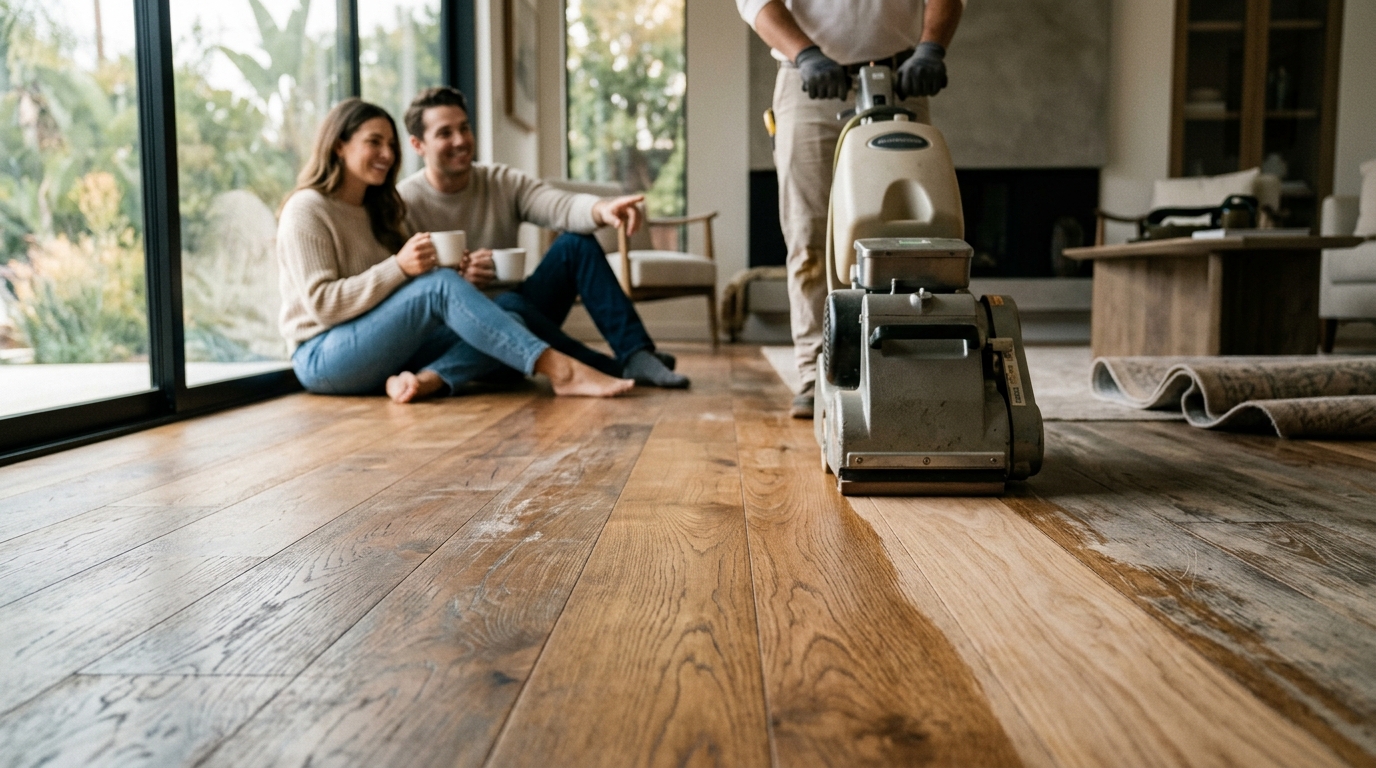
Homeowners who invest in professional hardwood sanding and refinishing typically recover 70 to 85 percent of their initial project costs when selling their properties. According to the National Association of Realtors, updated flooring consistently ranks among the top three home improvement projects that yield the highest return on investment for residential sales. This financial advantage stems from the fact that modern refinishing eliminates deep scratches, restores original wood grain, and extends the functional lifespan of your flooring by decades. When executed correctly, the process transforms worn surfaces into pristine architectural features without requiring full material replacement. (Cordon BX13929 36 HFD)
Preserving Structural Integrity
Hardwood sanding and refinishing is the systematic process of removing damaged surface layers to expose fresh, undisturbed timber. This procedure eliminates deep gouges, water stains, and worn finish coatings that compromise the wood matrix. Professional technicians utilize industrial-grade drum sanders and orbital buffers to achieve uniform depth across every square foot. The result is a structurally sound foundation that resists future wear and tear. When you maintain the original thickness of your planks, you prevent premature board failure and subfloor exposure. California Classics collections demonstrate how proper surface preparation preserves the natural character of premium timber species. Irvine homeowners frequently encounter seasonal humidity fluctuations that cause minor wood expansion. A professionally executed sanding cycle equalizes moisture content across all planks, which prevents cupping and gapping during Southern California summer months. Technicians also inspect subfloor fasteners and replace compromised nails before applying new coatings. This foundational reinforcement ensures decades of reliable performance without unexpected structural failures.
Improving Indoor Air Quality
Older flooring systems frequently harbor trapped allergens, dust mites, and microscopic particulate matter within cracked finish lines. According to the Environmental Protection Agency, properly sealed wood surfaces reduce airborne irritants by creating a continuous, non-porous barrier. Professional refinishing applies low-VOC polyurethane or aluminum oxide coatings that lock contaminants beneath a smooth plane. This sealing mechanism prevents dust accumulation and eliminates the need for harsh chemical cleaners. Homeowners with respiratory sensitivities consistently report fewer allergy symptoms after completing a full refinishing cycle. Modern air filtration systems capture residual particulate matter during the sanding phase, which maintains safe indoor air quality throughout the project. Technicians also seal baseboards and transition strips to prevent dust migration between rooms. This comprehensive approach creates a healthier living environment for families and pets. Regular maintenance routines further sustain these air quality improvements by preventing surface degradation.
Selecting Premium Finish Options
Hardwood floor finishing is the application of protective chemical coatings that shield timber from moisture, UV exposure, and mechanical abrasion. Modern refinishing projects offer multiple finish pathways, including water-based polyurethane, oil-modified alkyd, and hardwax oil systems. Each formulation delivers distinct aesthetic characteristics and durability ratings. Water-based options dry rapidly and maintain clear transparency, while oil-based variants enhance wood grain depth with a warmer amber tone. Professional installers match finish selections to your specific traffic patterns and maintenance preferences. Flooring Accessories inventory ensures that every transition strip and molding piece complements your chosen coating system. Regional climate data indicates that Southern California homes benefit from high-gloss or semi-gloss polyurethane finishes due to intense sunlight exposure. These reflective surfaces resist UV degradation and maintain consistent color saturation over extended periods. Technicians also apply multiple thin coats rather than thick applications, which prevents bubbling and peeling. This meticulous layering process creates a resilient barrier that withstands daily foot traffic and furniture movement.
Analyzing Long-Term Cost Efficiency
Full material replacement requires demolition, disposal fees, and premium lumber procurement, which frequently exceeds twenty thousand dollars for standard residential square footage. Refinishing bypasses these heavy capital expenditures by restoring existing subfloor infrastructure. According to the Industry data, professional sanding and coating typically costs between three and eight dollars per square foot, depending on regional labor rates and wood species. This budget-friendly approach extends floor lifespan by twenty to thirty additional years without compromising structural performance. French Collection waterproof luxury vinyl alternatives remain popular for moisture-prone zones, yet solid hardwood retains superior resale appeal in traditional markets. Homeowners also save on ongoing maintenance expenses because refinished surfaces require less frequent deep cleaning. Strategic area rugs and felt pads further protect high-traffic corridors from premature wear. These combined savings create a highly favorable return on investment for long-term property owners.
Boosting Market Valuation
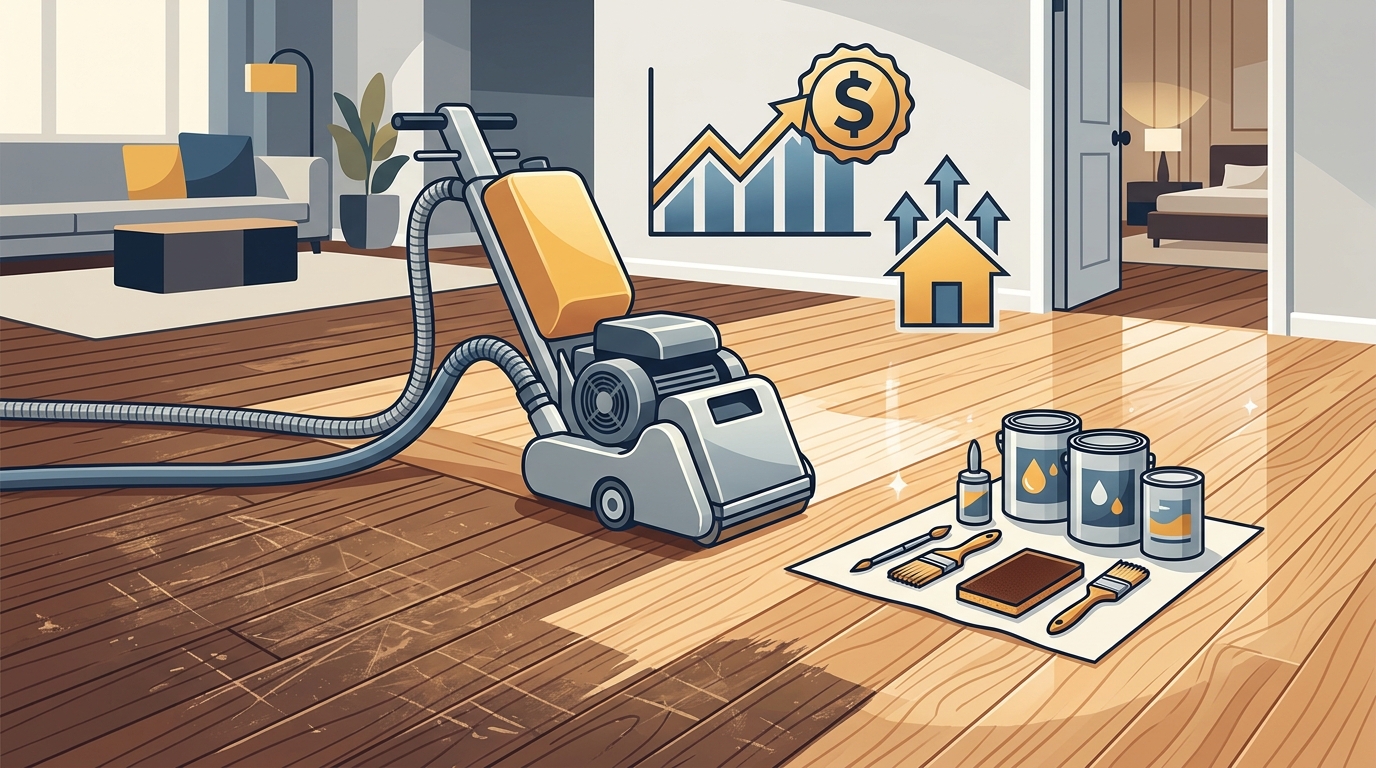
Updated flooring directly influences appraiser valuations and buyer inspection reports during real estate transactions. According to the American Institute of Architects, freshly refinished hardwood floors increase perceived home value by approximately five to eight percent in competitive housing markets. Buyers associate smooth, uniformly coated surfaces with meticulous property maintenance and recent capital improvements. A clean refinishing job eliminates visual distractions like patchy stains, faded sun exposure, and uneven wear patterns. This visual clarity accelerates listing velocity and reduces negotiation friction. Appraisers specifically note uniform gloss levels and intact plank edges when calculating comparable sales data. Real estate agents frequently recommend refinishing as a prerequisite for maximum listing exposure. The combination of aesthetic appeal and documented maintenance history creates a compelling value proposition for prospective buyers. This strategic upgrade consistently outperforms cosmetic renovations in overall market impact.
Finish Type Comparison Matrix
| Finish Category | Dry Time | Durability Rating | Best Application Zone |
|---|---|---|---|
| Water-Based Polyurethane | Two to four hours | High | High-traffic hallways |
| Oil-Modified Alkyd | Eight to twelve hours | Very High | Living and dining rooms |
| Hardwax Oil | Four to six hours | Moderate | Bedrooms and low-traffic areas |
| Aluminum Oxide | Three to five hours | Extreme | Commercial and pet households |
Key Takeaways
- Professional refinishing recovers 70 to 85 percent of project costs during property sales.
- Modern sealants reduce airborne particulate matter by creating continuous non-porous barriers.
- Water-based polyurethane delivers rapid drying cycles with high abrasion resistance.
- Oil-modified alkyd coatings enhance natural wood grain depth with warmer amber tones.
- Updated flooring increases perceived home value by five to eight percent in active markets.
- Hardwood floor finishing is the application of protective chemical coatings that shield timber from moisture, UV exposure, and mechanical abrasion.
- Hardwood sanding and refinishing is the systematic process of removing damaged surface layers to expose fresh, undisturbed timber.
Frequently Asked Questions
How long does professional hardwood sanding and refinishing take?
Standard residential projects require three to five days to complete, including surface preparation, coating application, and full curing periods. High-traffic zones may require additional drying time to achieve maximum scratch resistance.
Can I remain inside my home during the refinishing process?
Occupants should vacate the premises for forty-eight to seventy-two hours after the final coat application. This isolation period ensures proper cross-linking of chemical binders and prevents premature surface damage.
What is the average lifespan of a professionally refinished hardwood floor?
Properly maintained refinished surfaces typically endure twenty to thirty years before requiring another full sanding cycle. Regular dust mopping and strategic rug placement significantly extend coating longevity.
Does refinishing eliminate all types of wood damage?
Surface sanding effectively removes scratches, water rings, and faded finish layers. Deep structural rot, severe warping, or subfloor deterioration requires targeted board replacement rather than standard refinishing.
How do I maintain refinished hardwood floors after completion?
Weekly dry dust mopping and pH-neutral cleaning solutions preserve coating integrity. Avoid excessive water exposure and felt pads under all furniture legs to prevent micro-scratches.
Schedule Your Professional Refinishing Consultation
Transform your existing flooring into a durable, high-value architectural asset by partnering with experienced Orange County specialists. Our team evaluates your specific wood species, traffic patterns, and aesthetic preferences to deliver precise coating recommendations. Visit https://oflooring.com/ to explore our complete inventory and request a comprehensive project estimate today.